
My Visit To Newhaven

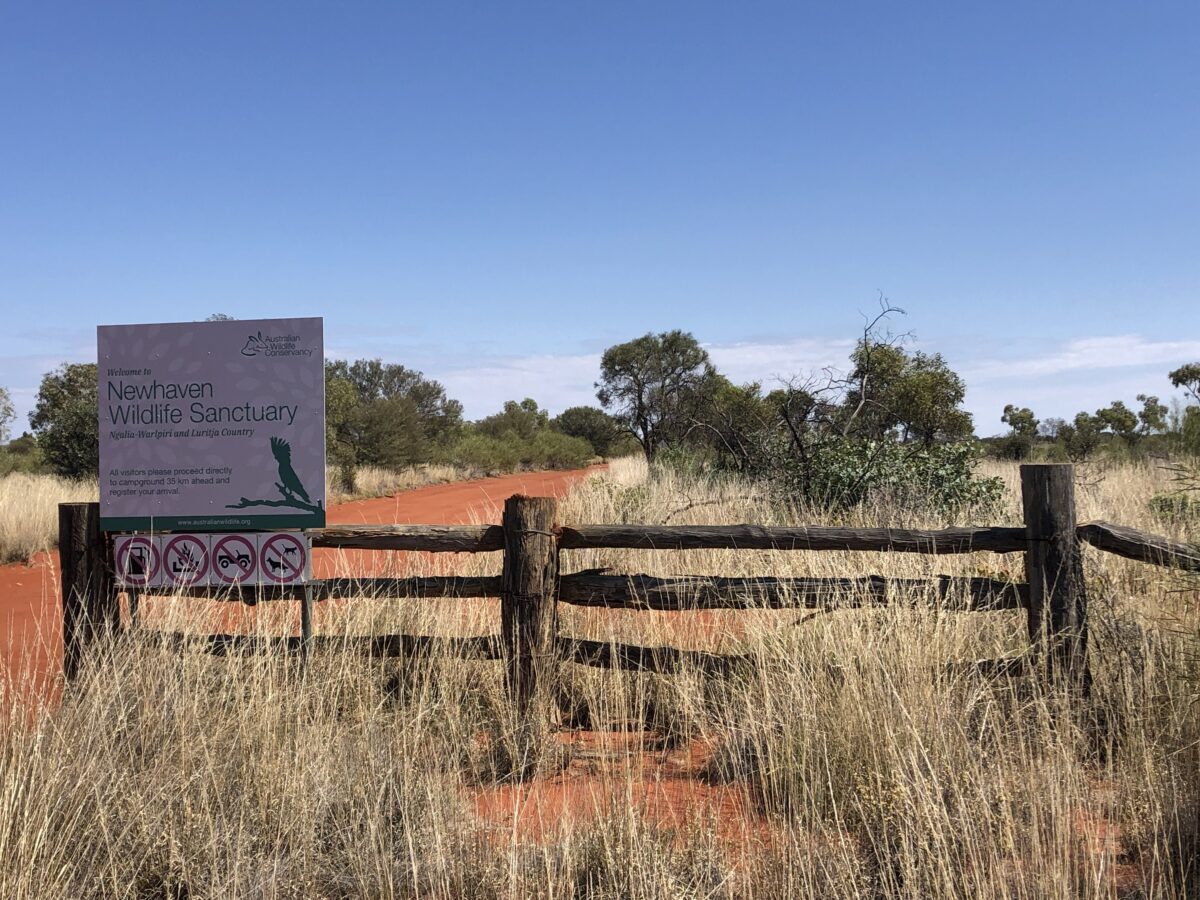
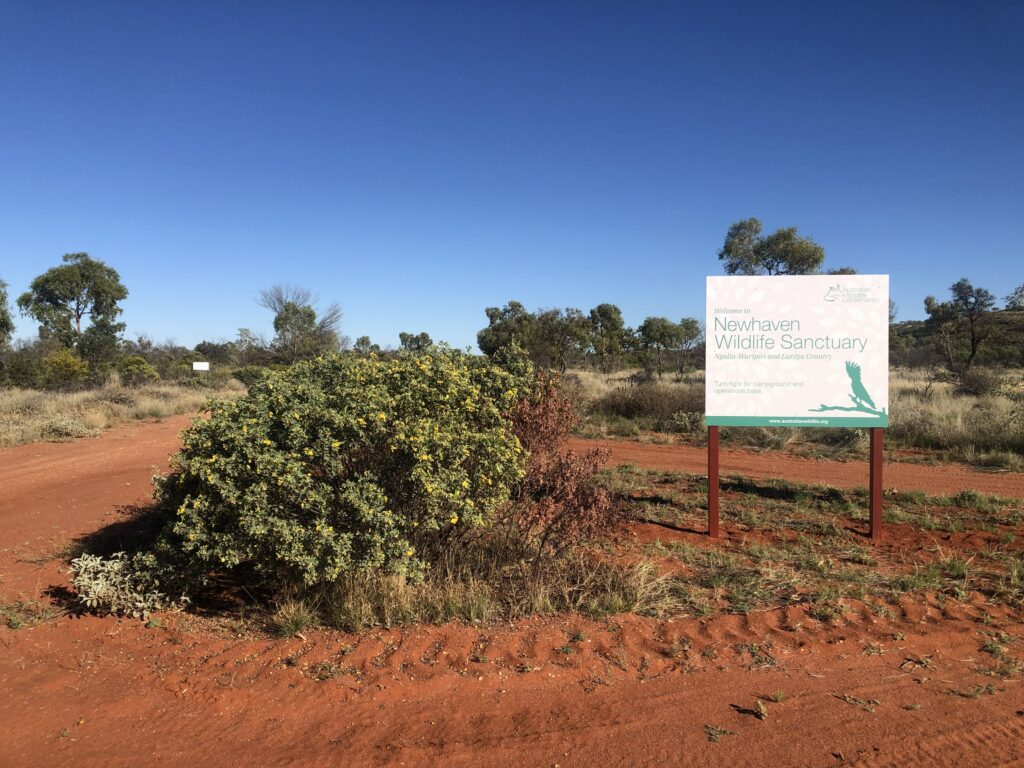
© Angela Tiede, September 2026. Image: Entrance to Newhaven Wildlife Sanctuary, Angela Tiede August 2026. Unless otherwise stated, all images are mine.
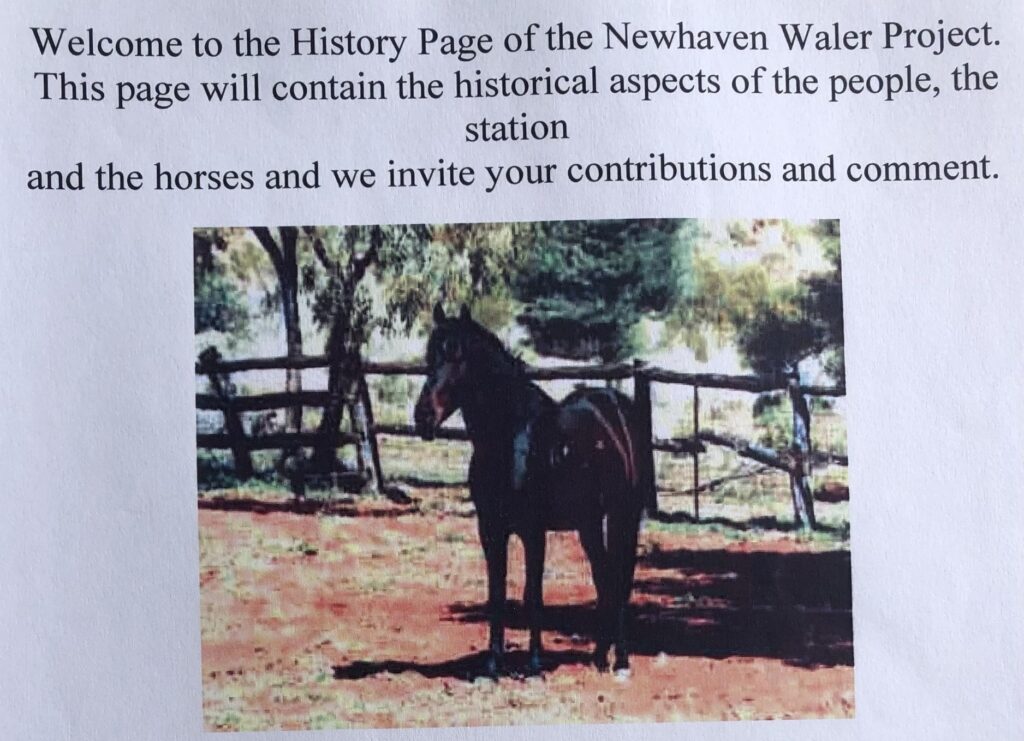
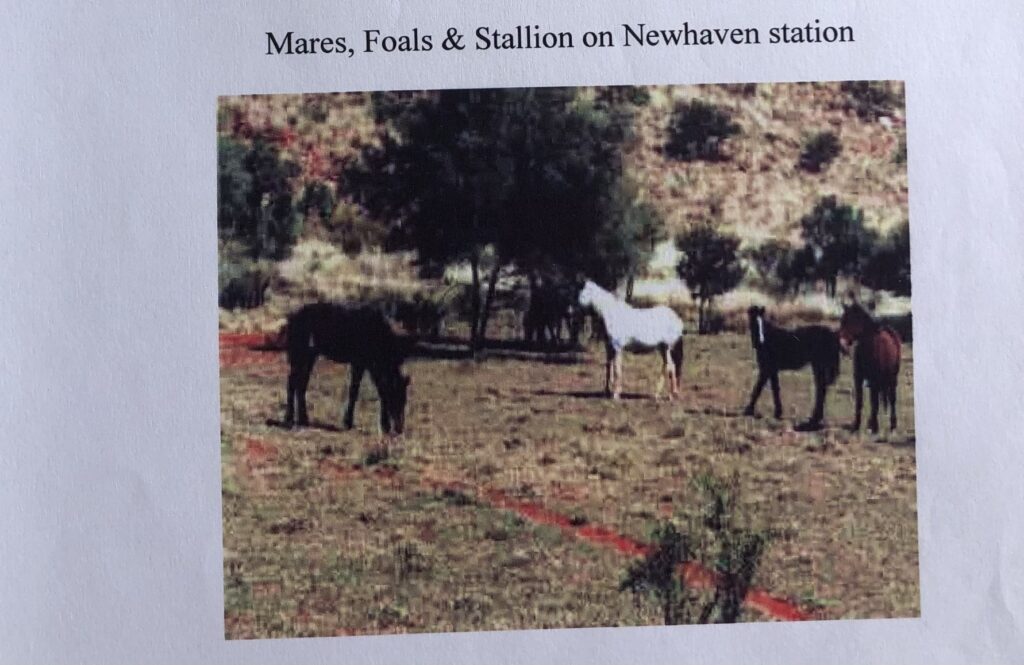
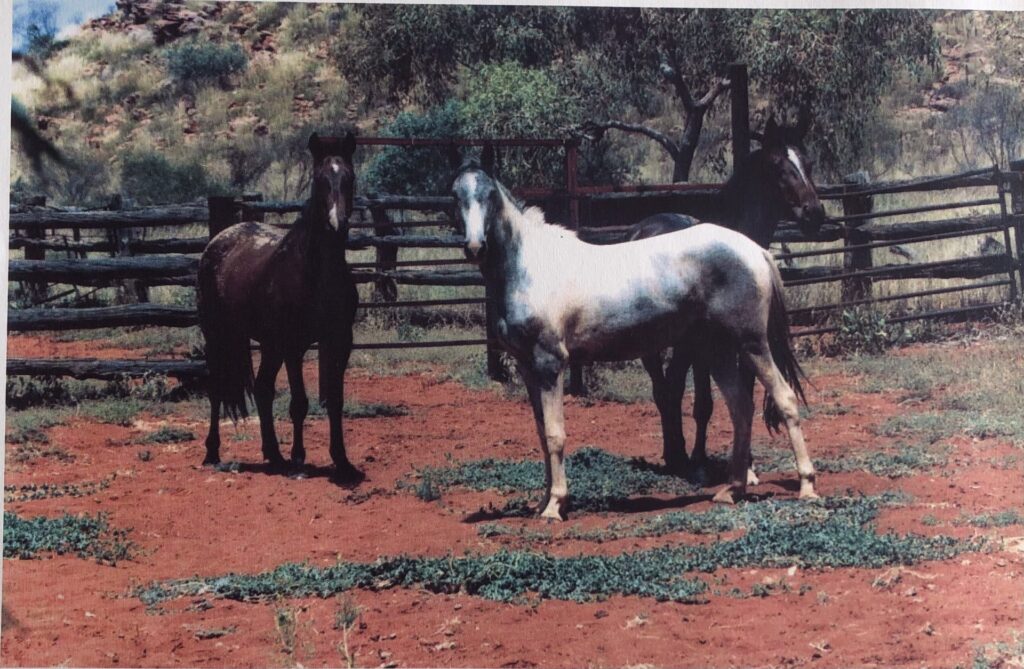
Ever since I was fortunate enough to purchase three Newhaven horses in the mid 2000s I have wanted to visit the station from which they originated. The property was purchased in late 2000 by Birds Australia and all horses were removed to facilitate the regeneration of the land and its native inhabitants. At the time the station was sold the owner Alex Coppock contacted the Waler Society about the horses and there was a concerted effort to save some. A Newhaven Waler Project webpage was set up back then with photos and history (see below images of extracts printed by me in 2006) which mentions 20 horses being saved. Fortunately, more of these horses were subsequently rescued, including my three: Fisher, Pearl and Rigoletto. (I added stallion Virtuoso to my herd at a later date).
Newhaven Wildlife Sanctuary as it is now known is a testimony to the vision of the private investment made over the last 25 years, a wondrous place to experience the spectacular scenery and outstanding conservation efforts. Yes, the horses there had to go, a sad chapter for Walers of course.
An opportunity arose early last month to propose a trip to Newhaven and by mid-month I was (somewhat in disbelief) on my way with a friend, leaving Victoria on a cold rainy day headed for Alice Springs via Burra then Coober Pedy, spending three days on the road.
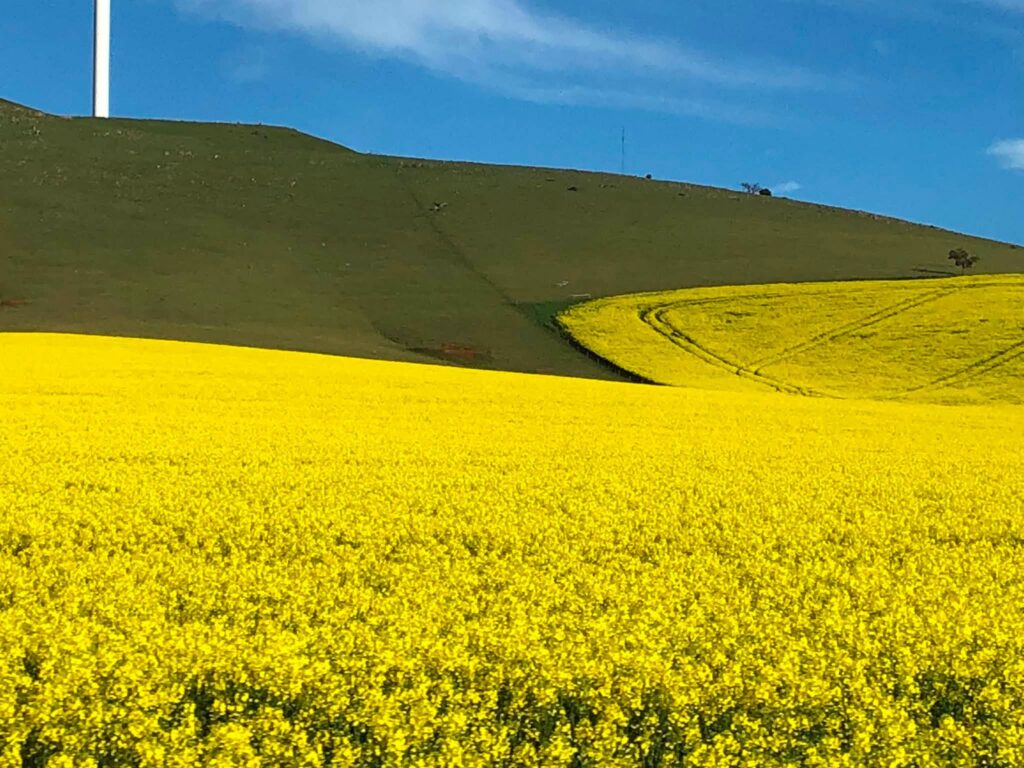
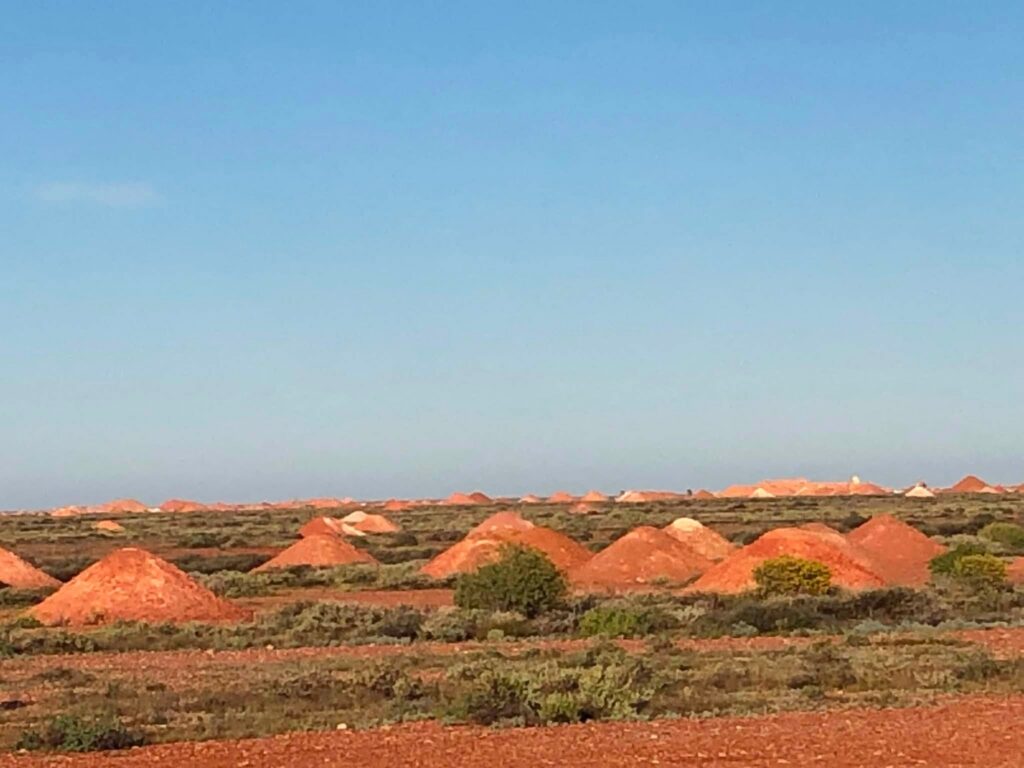
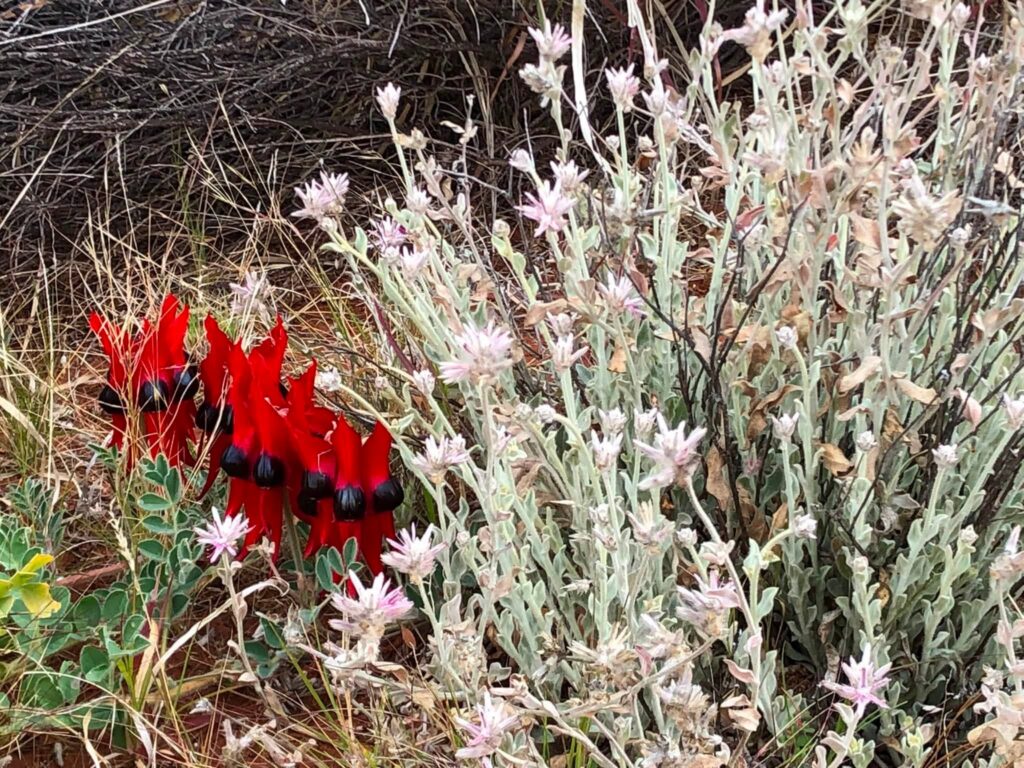
Exceptional rains over recent months have transformed the landscape beyond what I could ever have imagined, and Newhaven itself has experienced good seasons for the last several years. The landscape changes often, the long drive offering panoramic views all the way. From the Mallee and Murray Riverlands to the Flinders Ranges and the Outback, what a spectacular experience after such a wet season. Vegetation and flowers as far as the eye can see, the first time I have seen the country in such rich glory. And this was just the beginning!
Our adventure out to Newhaven started with the drive from Alice Springs 20km up the Stuart Highway to the Tanami Road, turning off to the northwest in the direction of Yuendumu. It had rained in Coober Pedy, and was still raining in Alice Springs, and we had come across many disappointed travelers who had to change plans due to the closure of some roads and off the beaten track experiences.
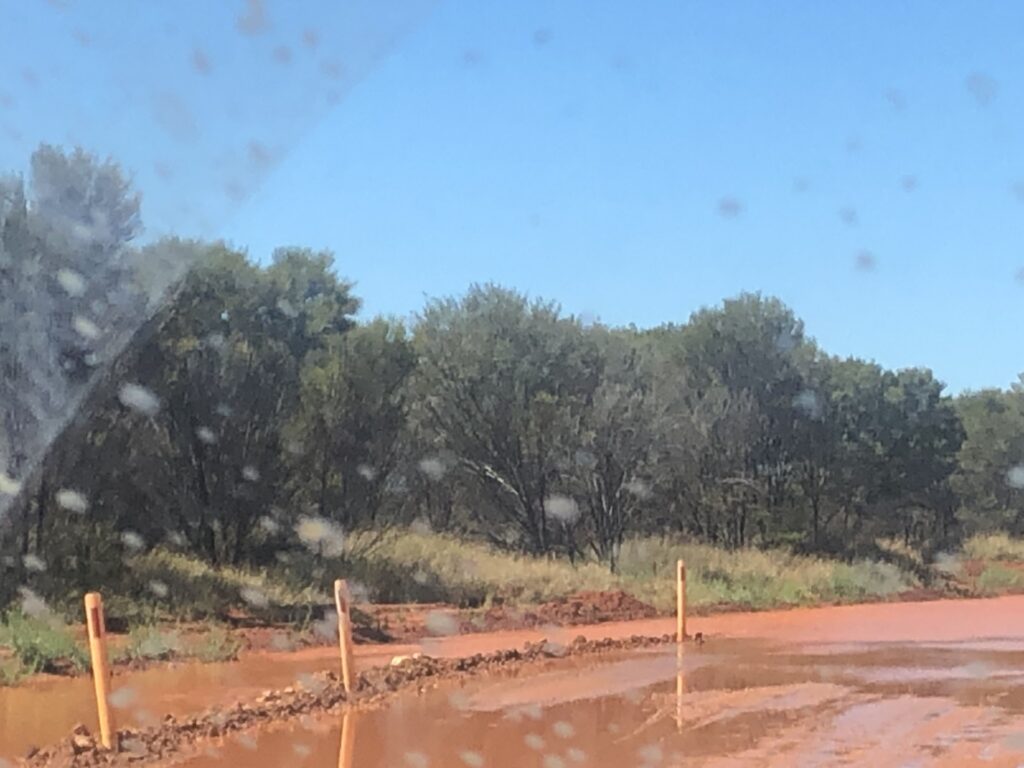
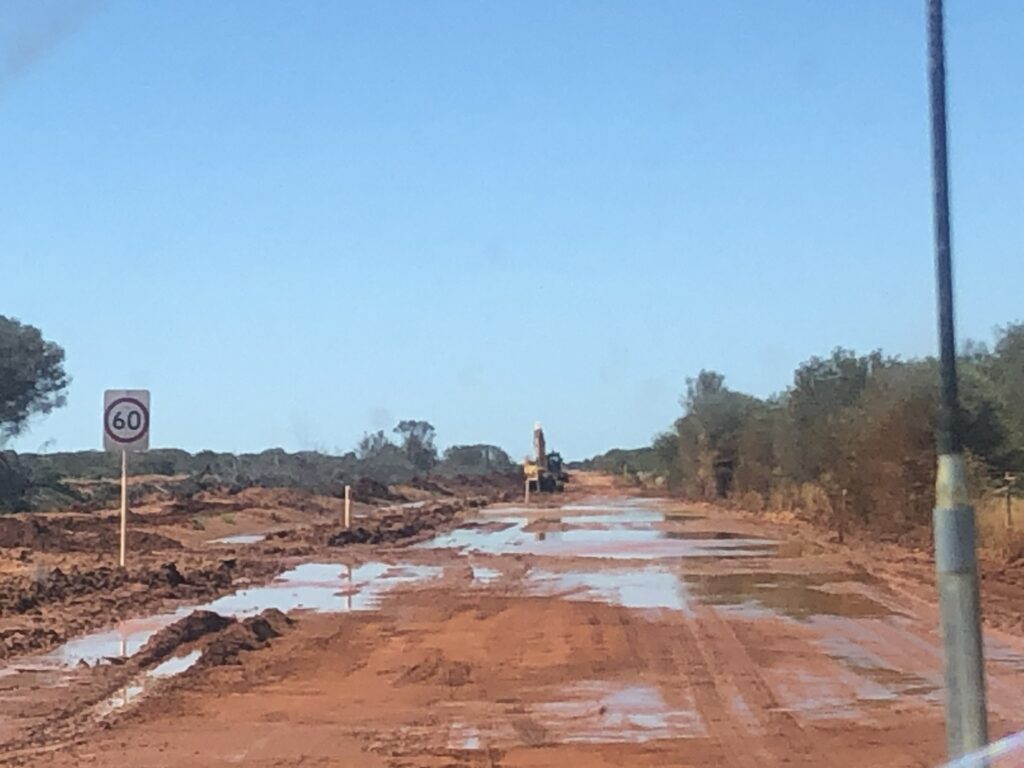
Luckily for us the Tanami Road was open, despite the first stretch being a dirt road detour alongside the resurfacing works that will make this initial part of the Tanami track much more approachable. It closed the following day due to more rain overnight, by which time we were safely in our tents in the campground at Newhaven listening to the rain coming down again and wondering if we would get wet and if we would even be able to take any of the drives around the nearly 262,000 hectares that comprise the Sanctuary.
After the detour the Tanami road is single lane bitumen, with good road shoulder surface to move over onto for oncoming trucks (for those who watch the video, the windscreen crack happened before our trip).
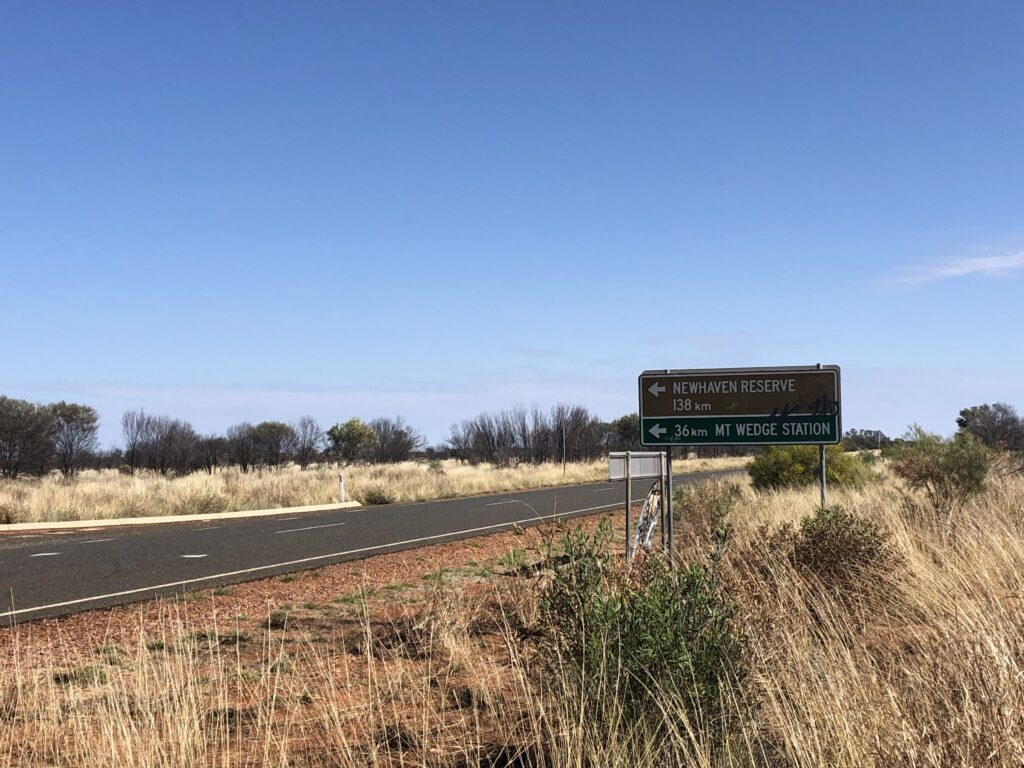
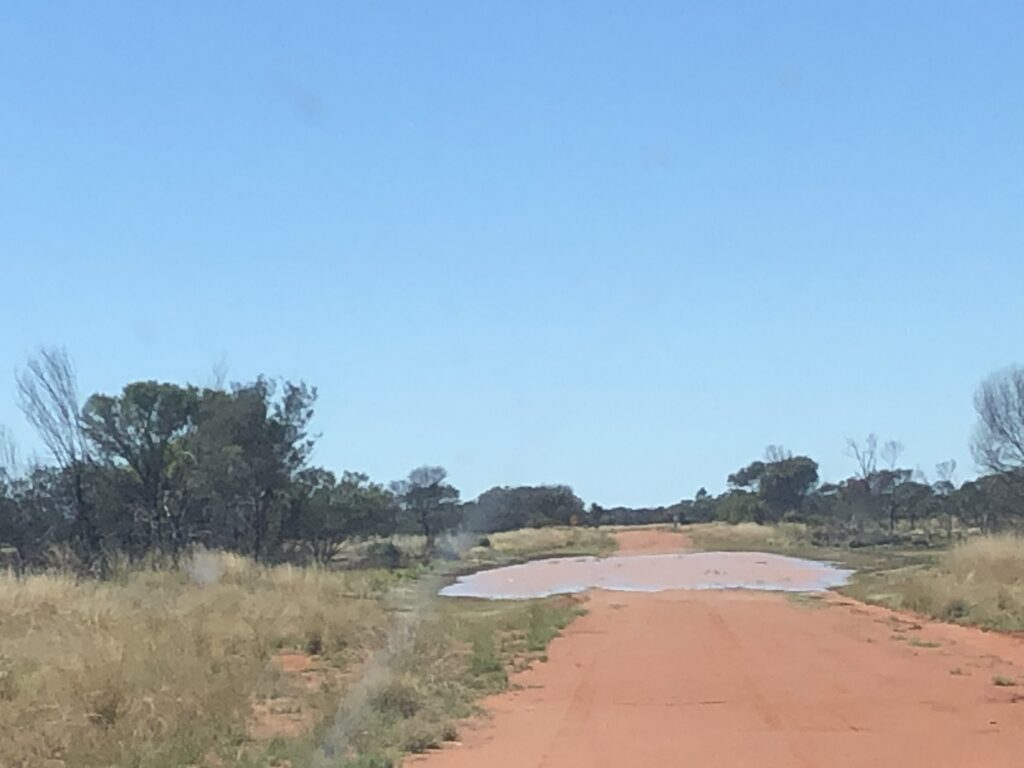
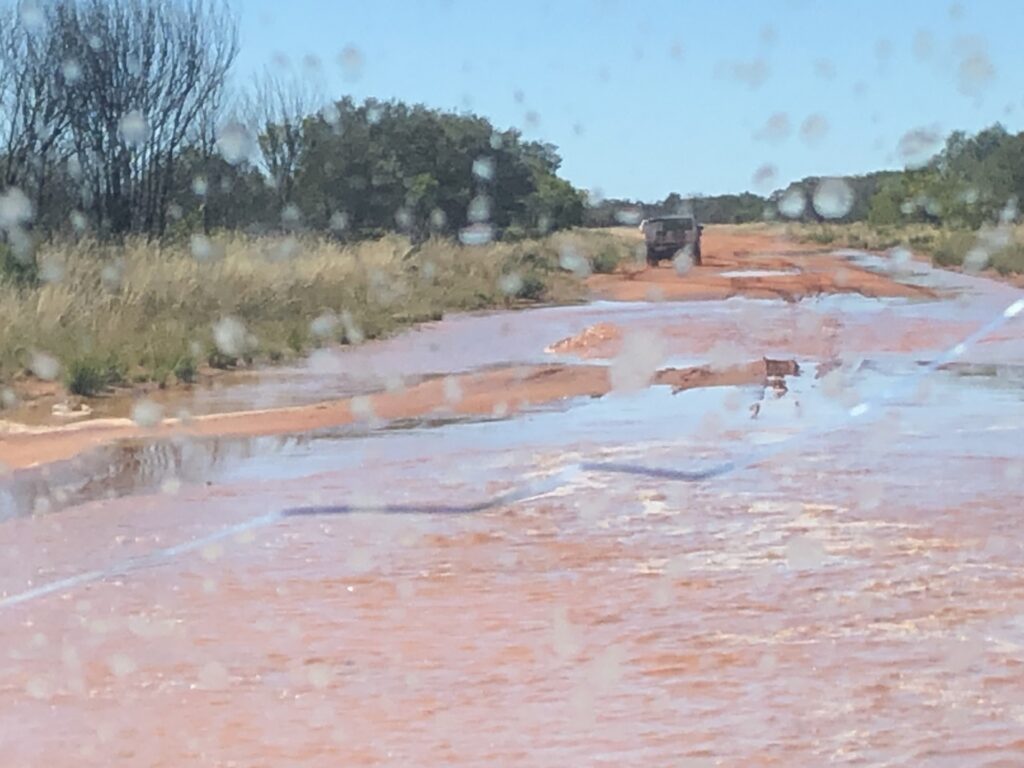
The turn down the Newhaven access road is just past Tilmouth Well Roadhouse which is 165km up the Tanami road, where diesel was a welcome refueling opportunity (we had full jerry cans on board as backup). Approximately 140km of sound, well graded dirt road greeted us, albeit with numerous boggy patches and water lying in low parts. Likely corrugated and dusty going in drier times, conditions were great for us, smooth for the most part and no dust at all, dodging puddles and bogs and admiring the unfolding scenic vista.
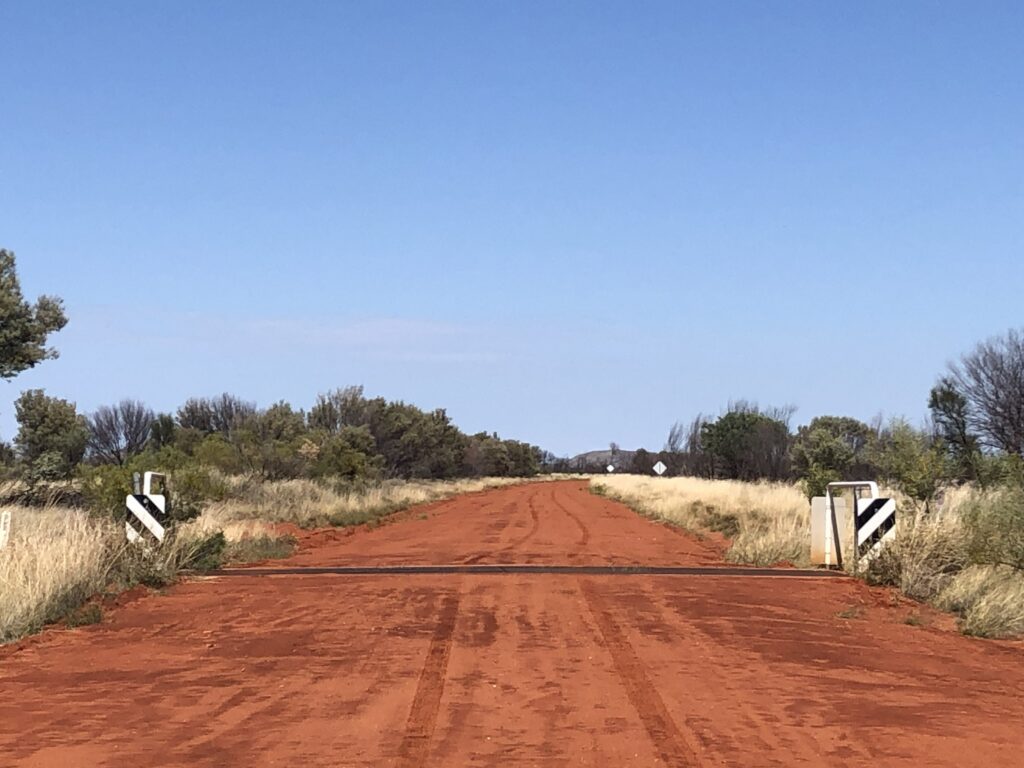
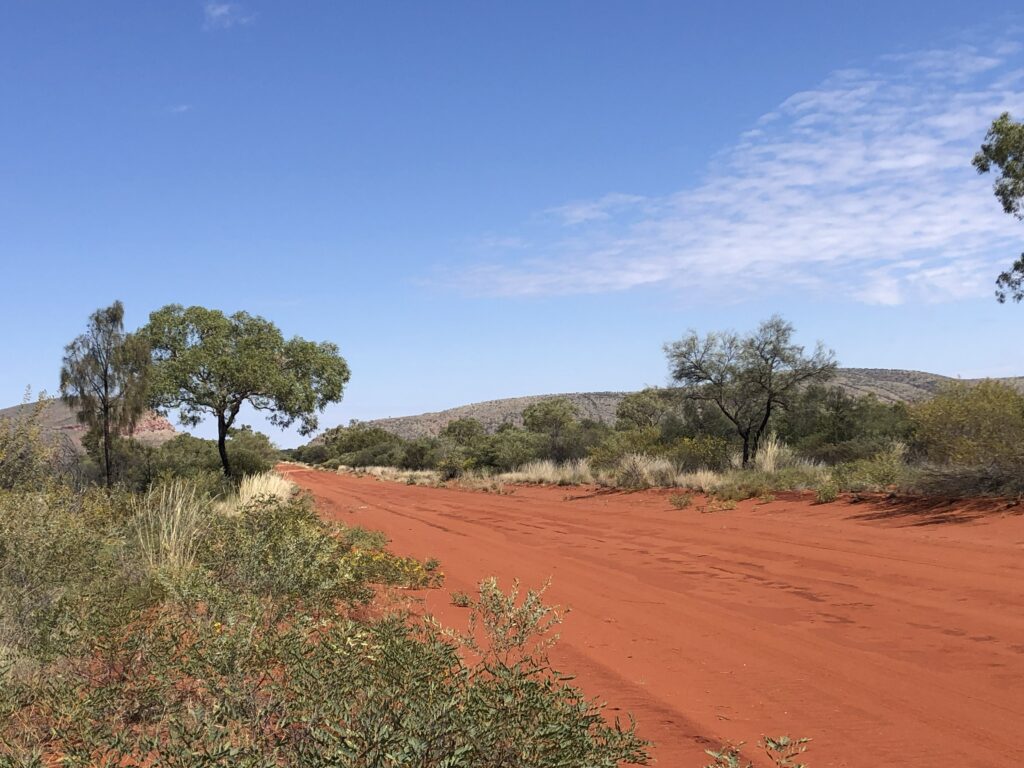
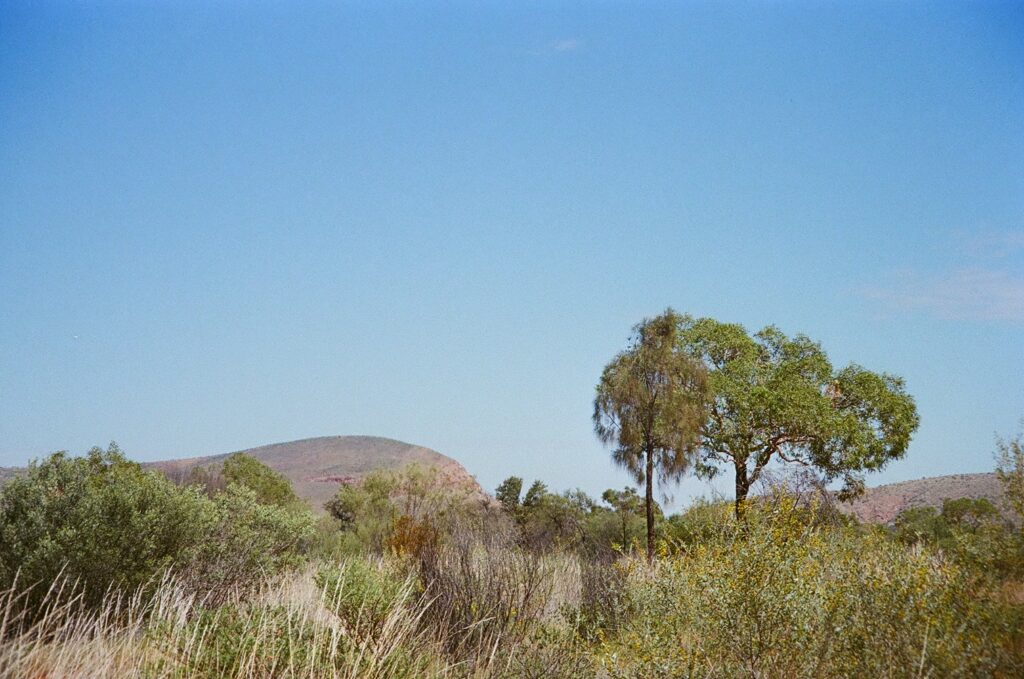
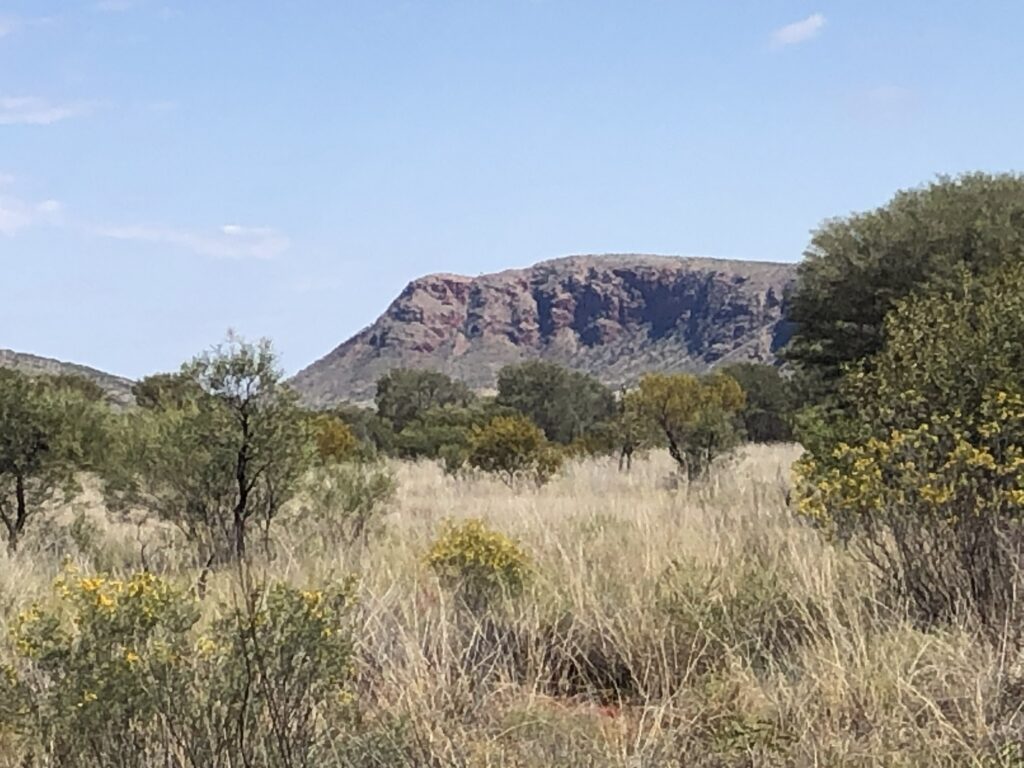
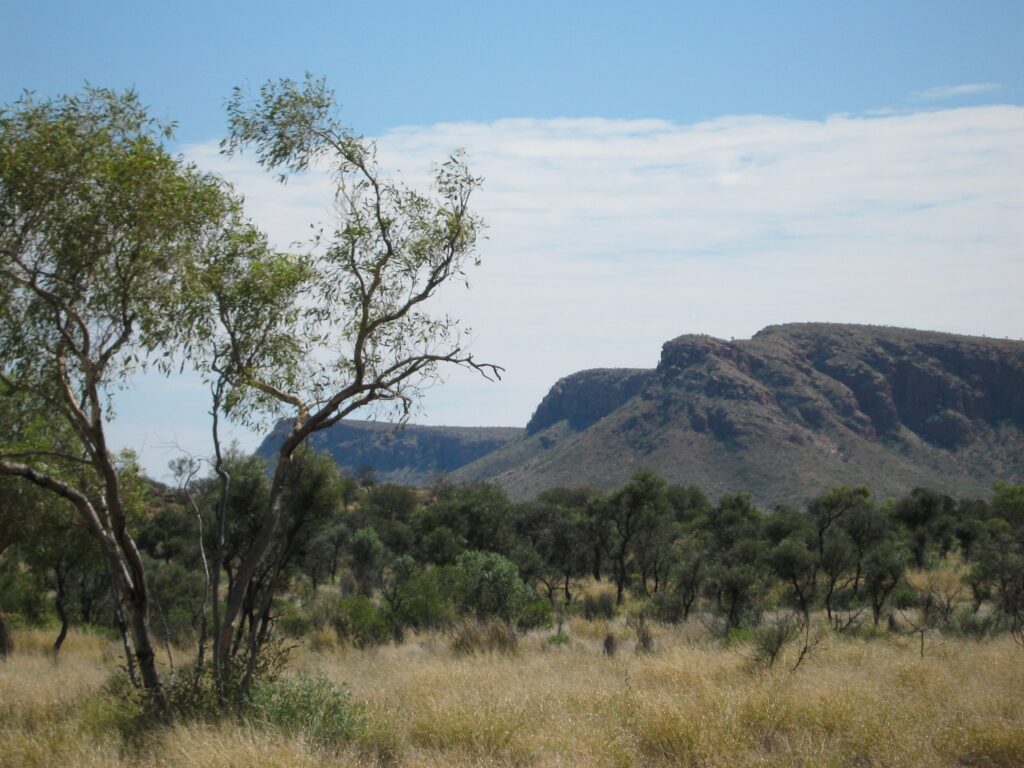
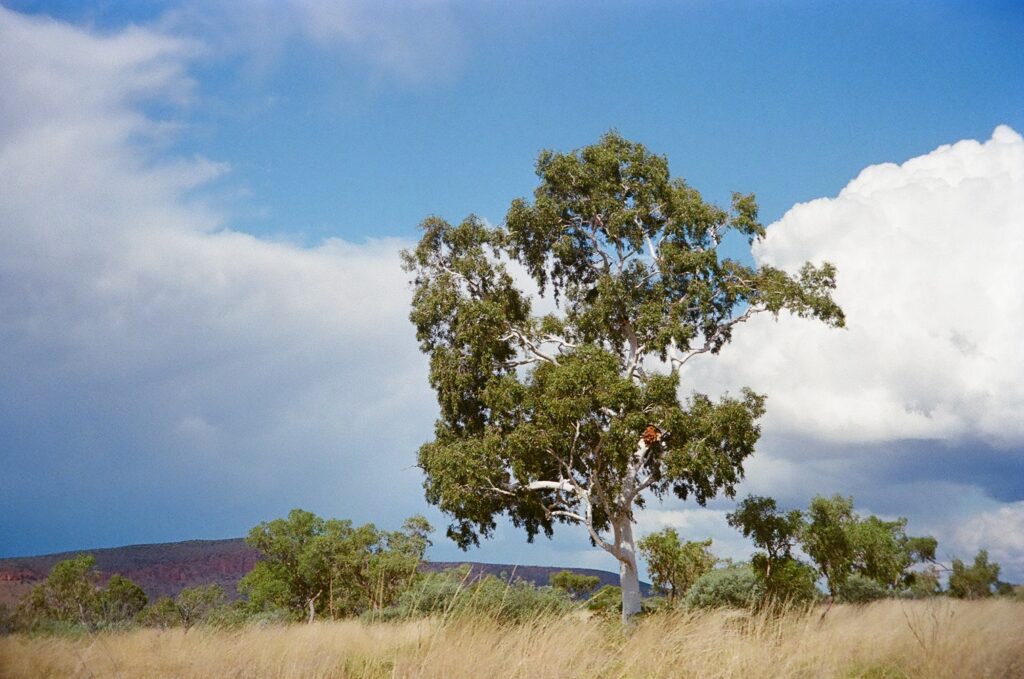
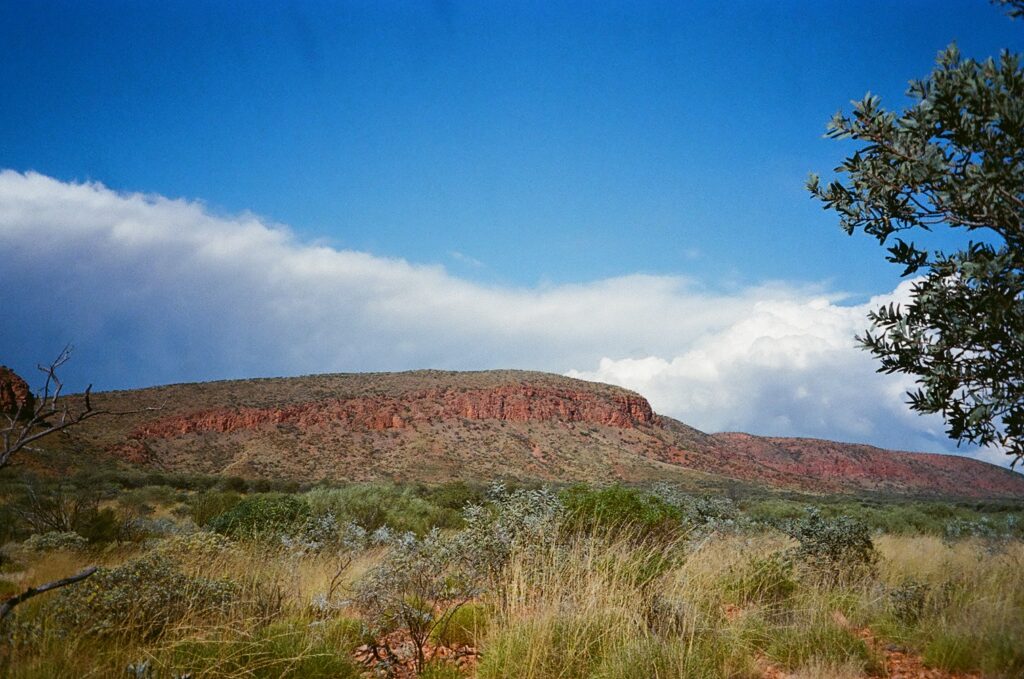
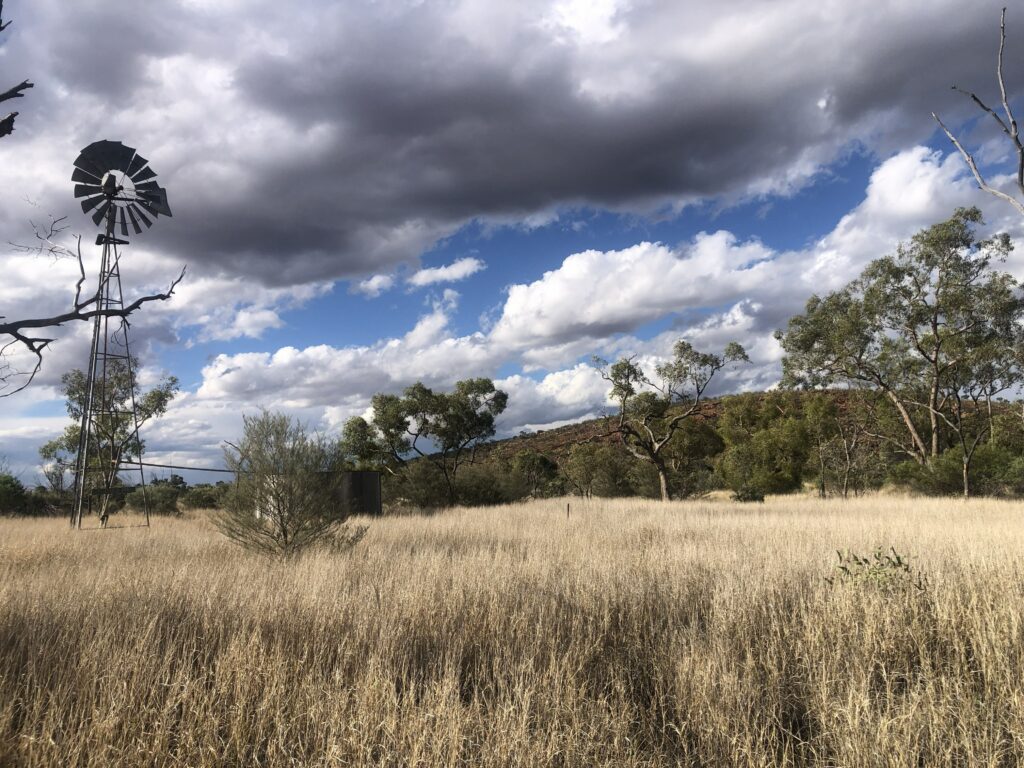
We were completely unprepared for the breathtaking sight of the quartzite Siddeley Range (Jungarrayi Warnu) through which the road travels by way of a gap, with bluffs rising majestically on either side. Just blown away before we had even arrived. So many photo stops, so much to wonder at and admire. So, so much! Please enjoy the selection of my photos in this post, believe me there are hundreds more. You had to be there as they say.
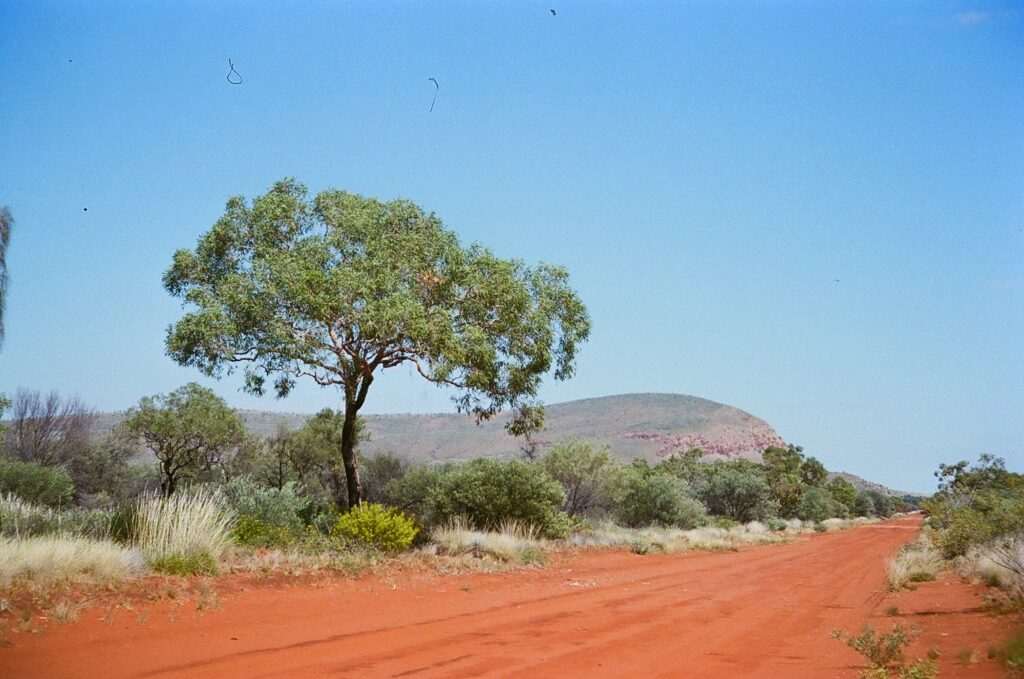
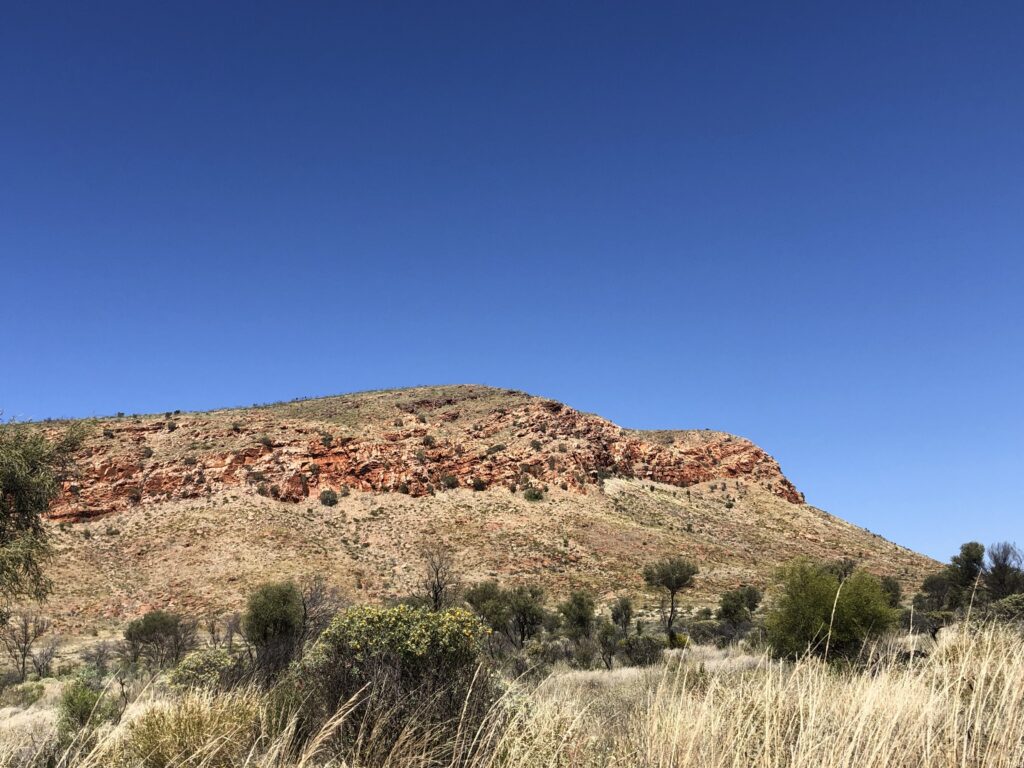
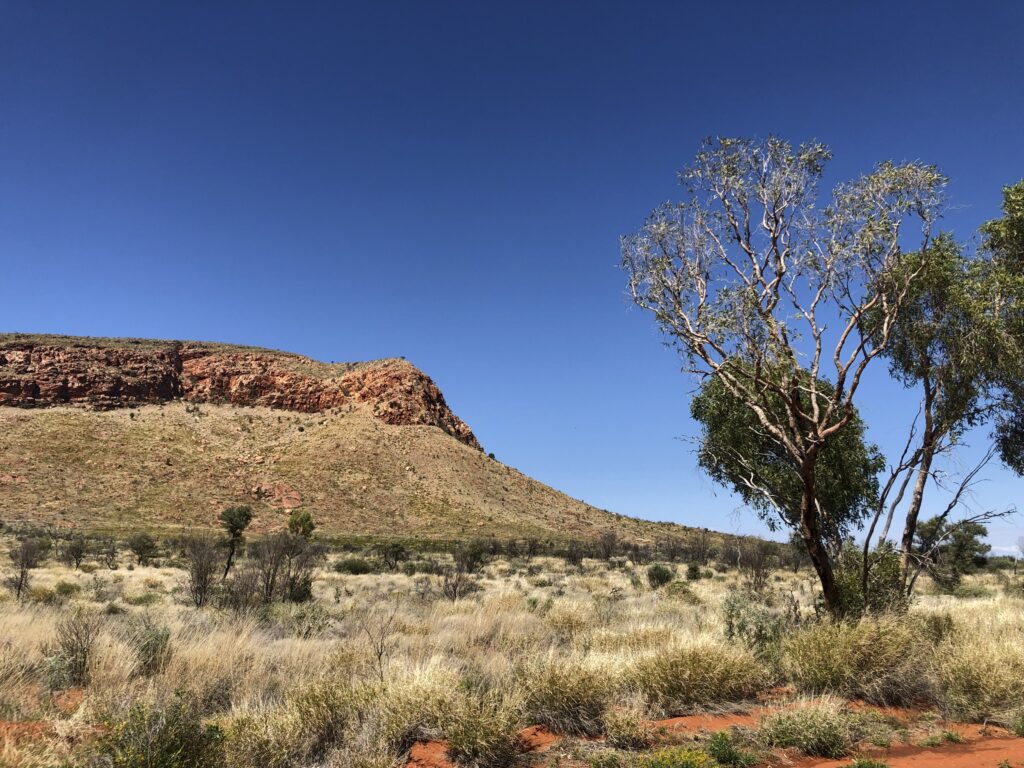
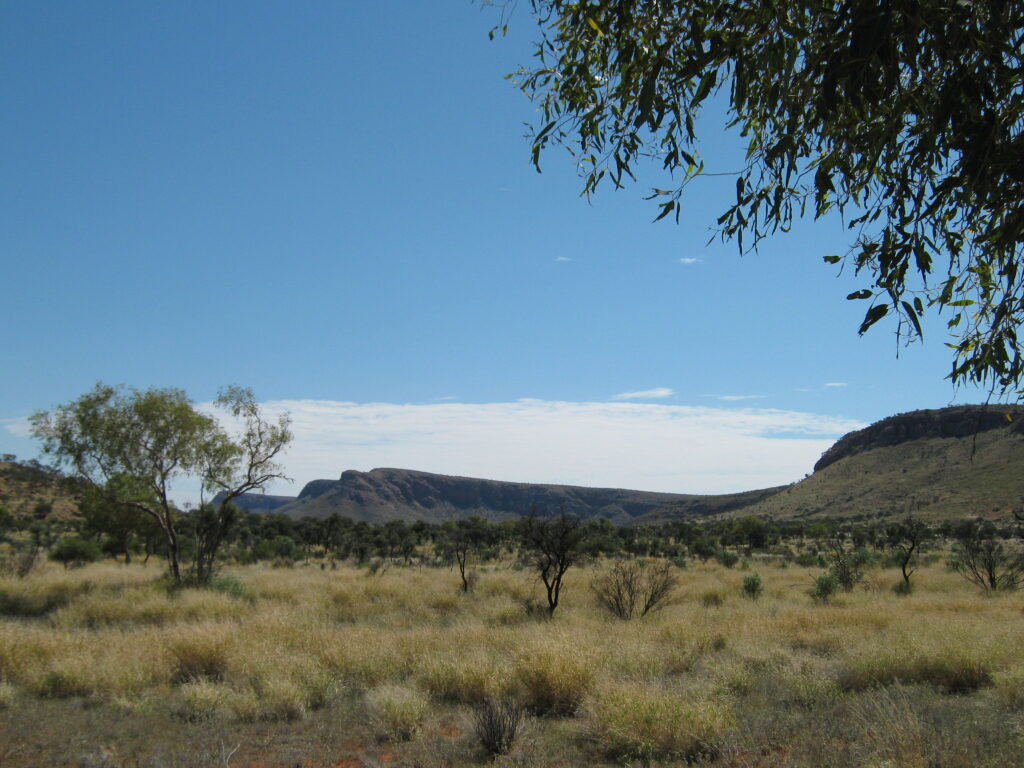
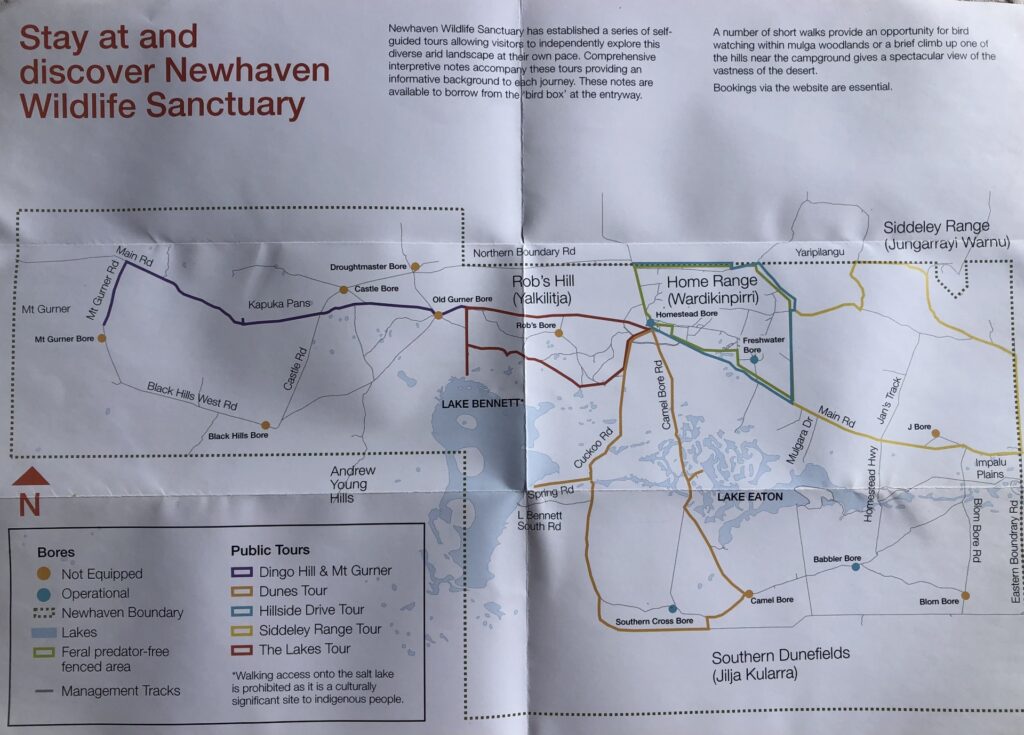
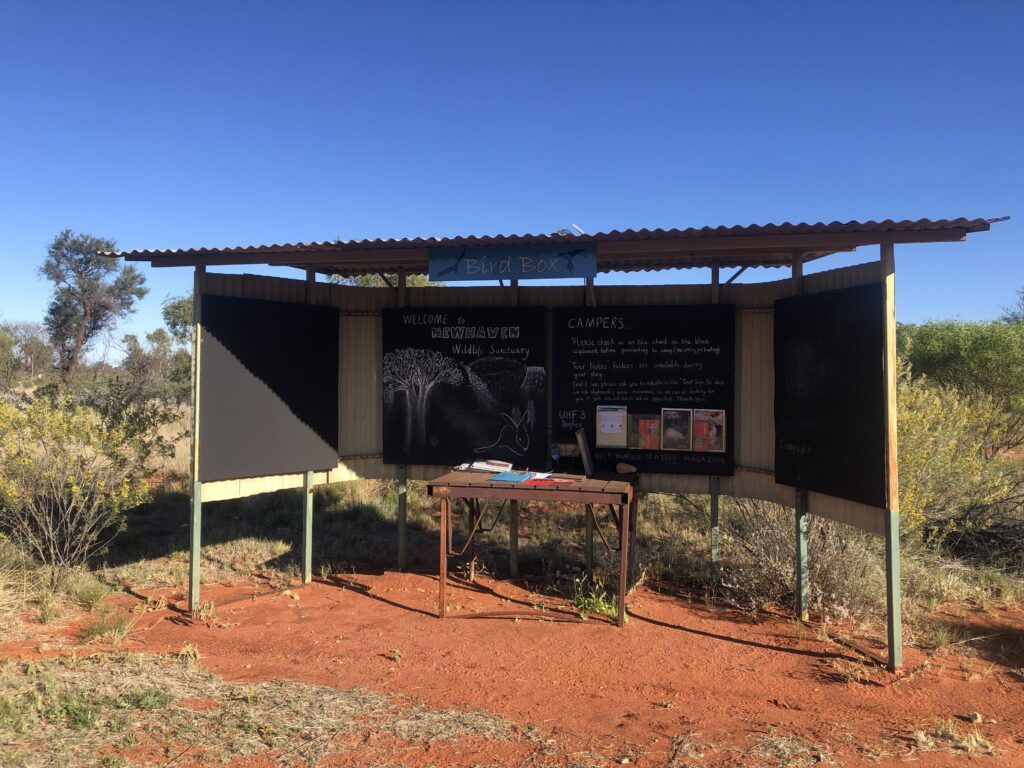
At the entry to the old station homestead and campground area of the Sanctuary is the Bird Box, where visitors must sign in on arrival and out on departure, as well as for each of the drives taken while at Newhaven. Comprehensive information for the drives is on hand to use during your stay, in folders containing copious notes on the landforms, flora and fauna, and maps with distance markers to ensure turnoffs are readily located. Along with 4WD vehicles and sufficient food, water and fuel, personal emergency response beacons are required as this is remote and arid terrain.
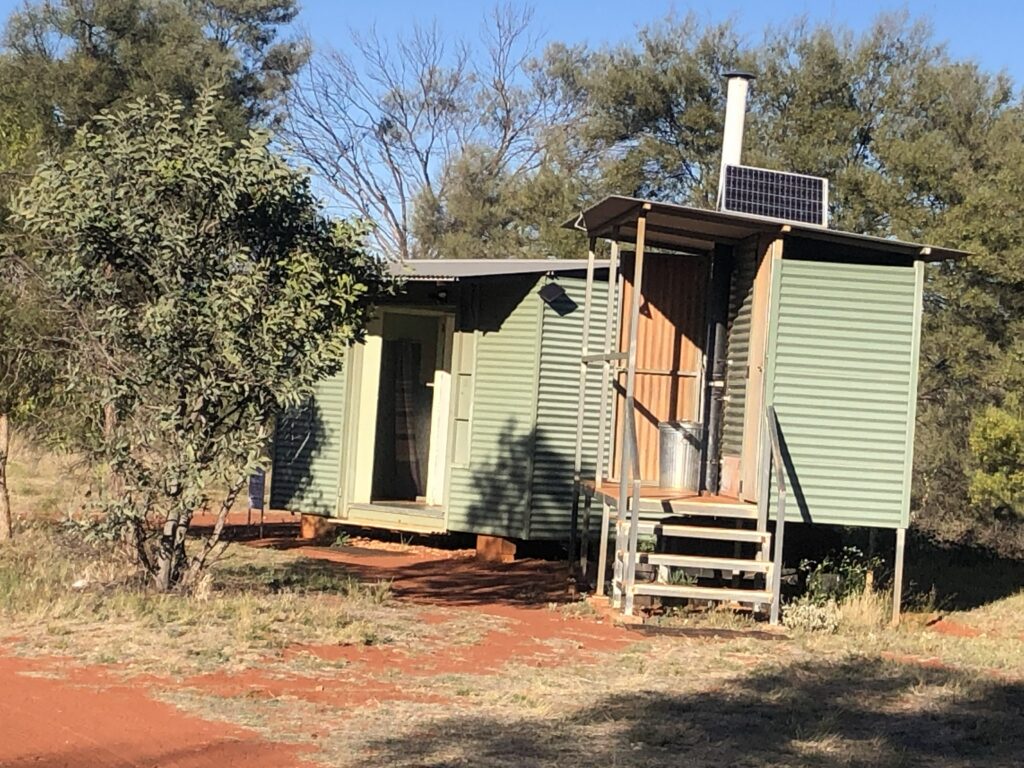
The campground is very well appointed, with two hot showers and two composting toilets and lots of sites to choose from under shady trees with views for miles and plenty of room to be away from other campers. Fireplaces are provided and a stash of wood as no wood can be collected on site.
There is a climb up a hill behind the campground (Eremaea’s Happy Track) which delivers panoramic views of the surrounding landscape. It is well marked and straight forward if a little strenuous getting to the top and along to the viewing point due to the incline and rock stepping involved, early in the morning or in the evening recommended to get the best light and avoid the heat.
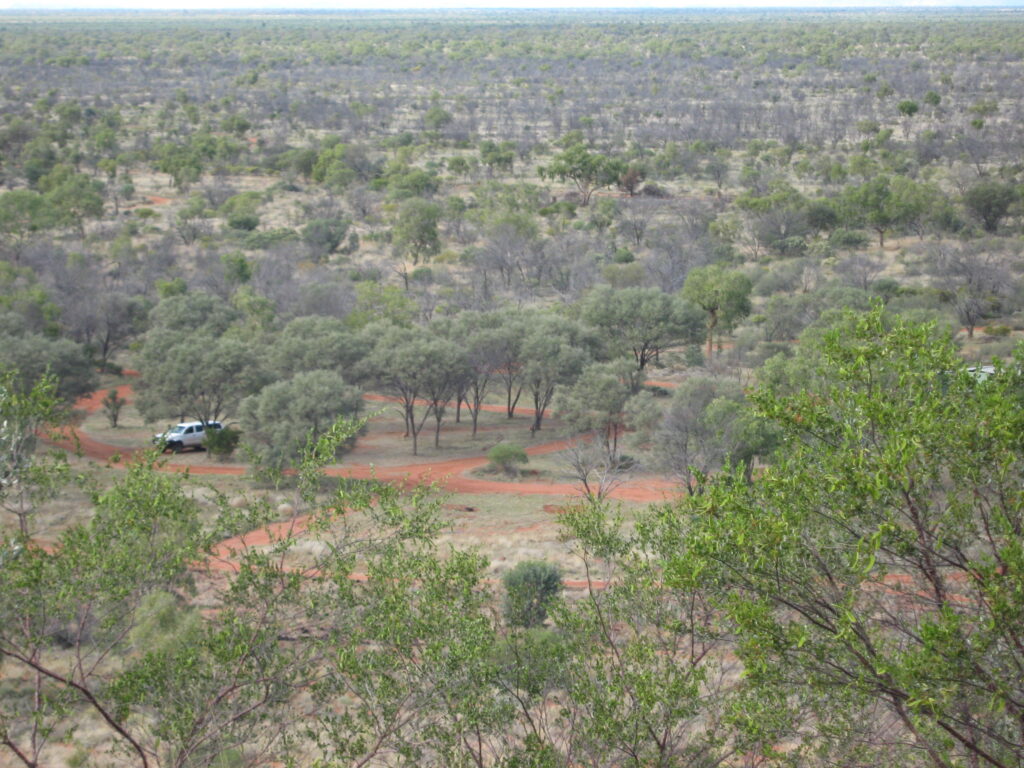
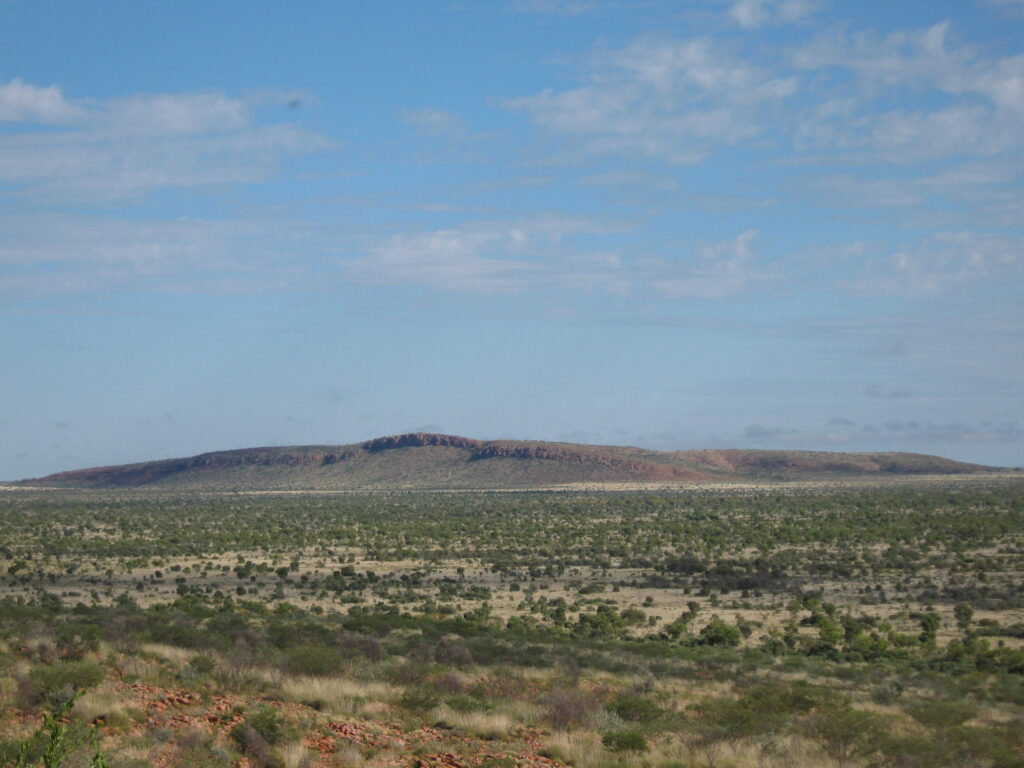
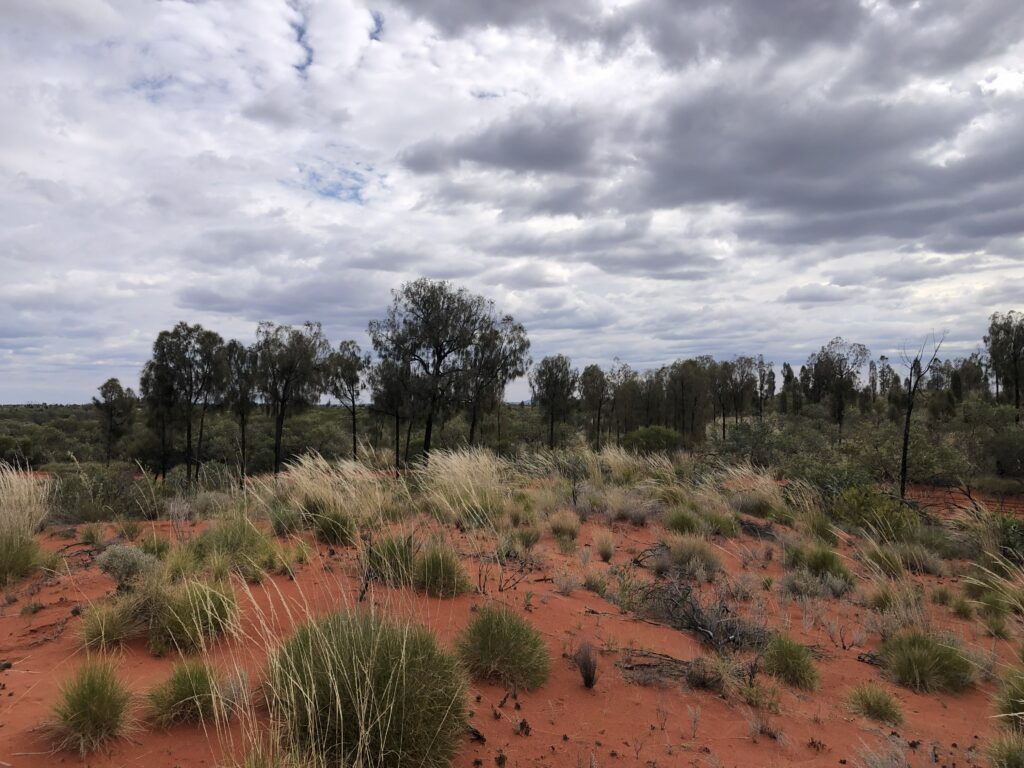
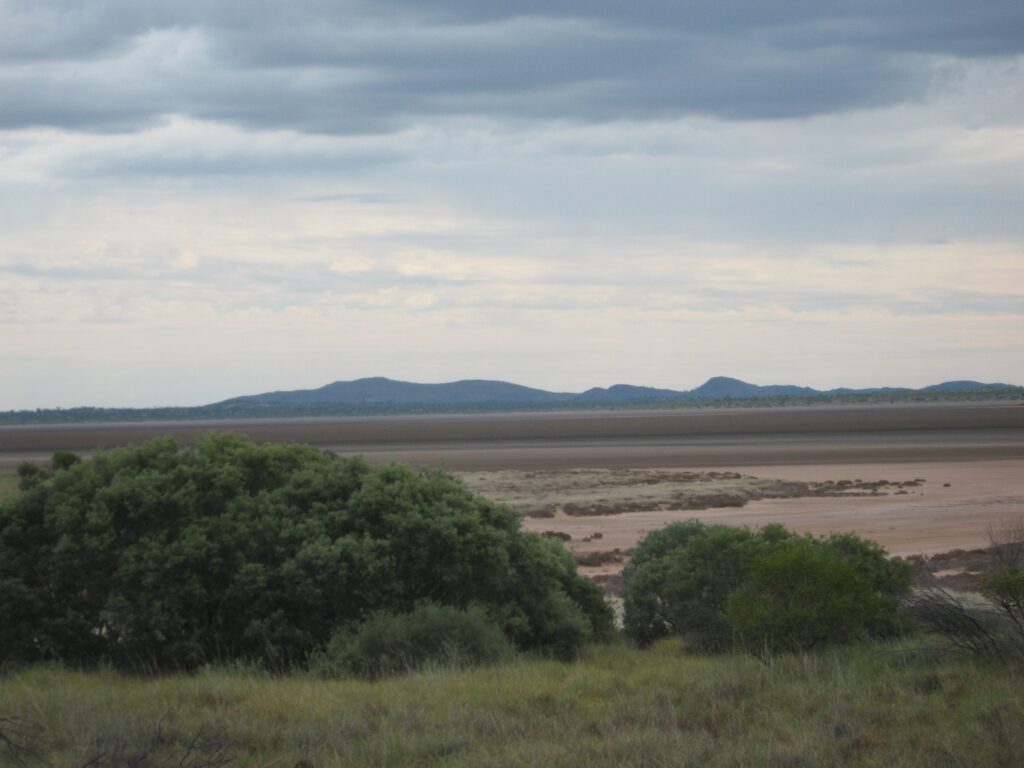
The diversity of landscapes is astounding, each with their own flora and fauna. From the red dunes and desert oaks to the salt lakes; spinifex sandplains and ghost gum grasslands to large areas of bloodwood; with the runoff from the magnificent ranges supporting small stands of mulga, it is simply outstanding to behold. Outstanding!
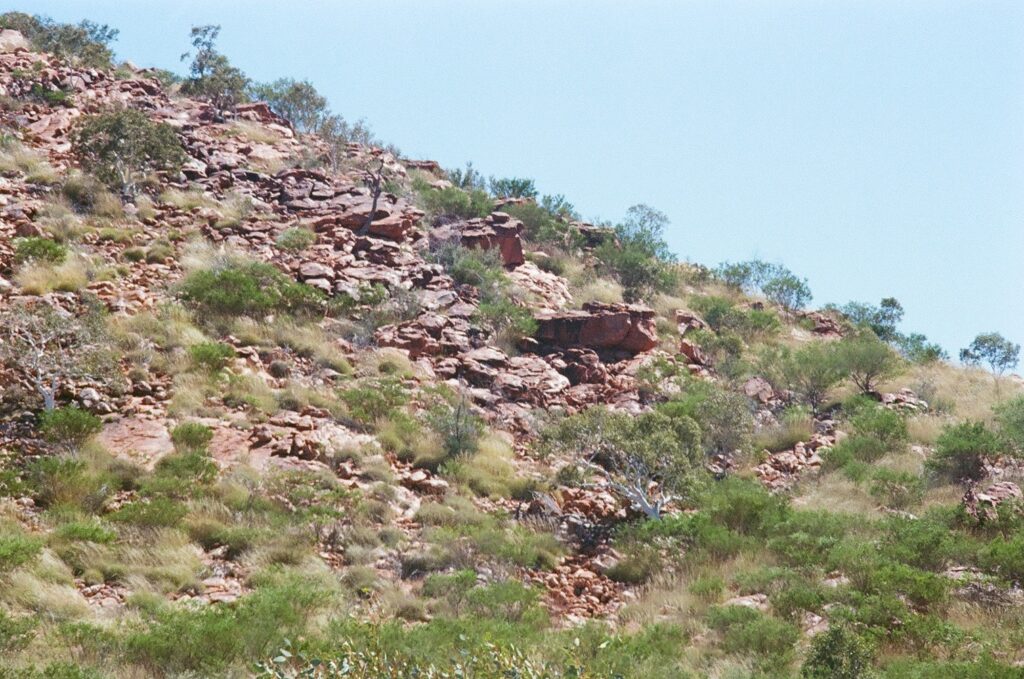
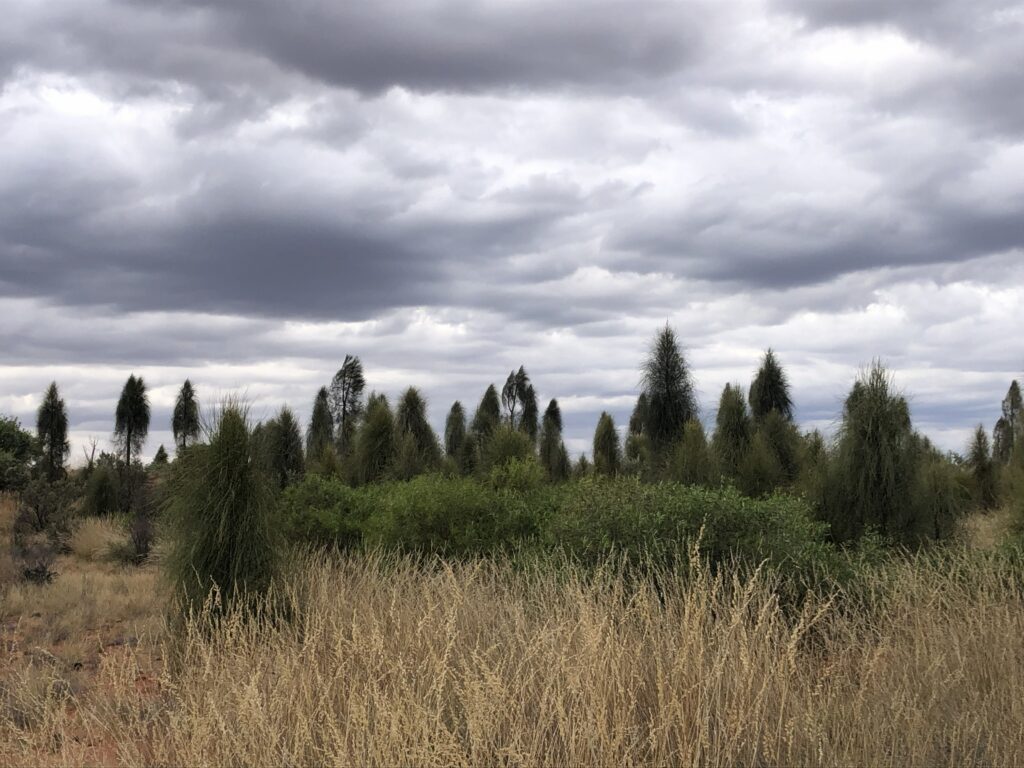
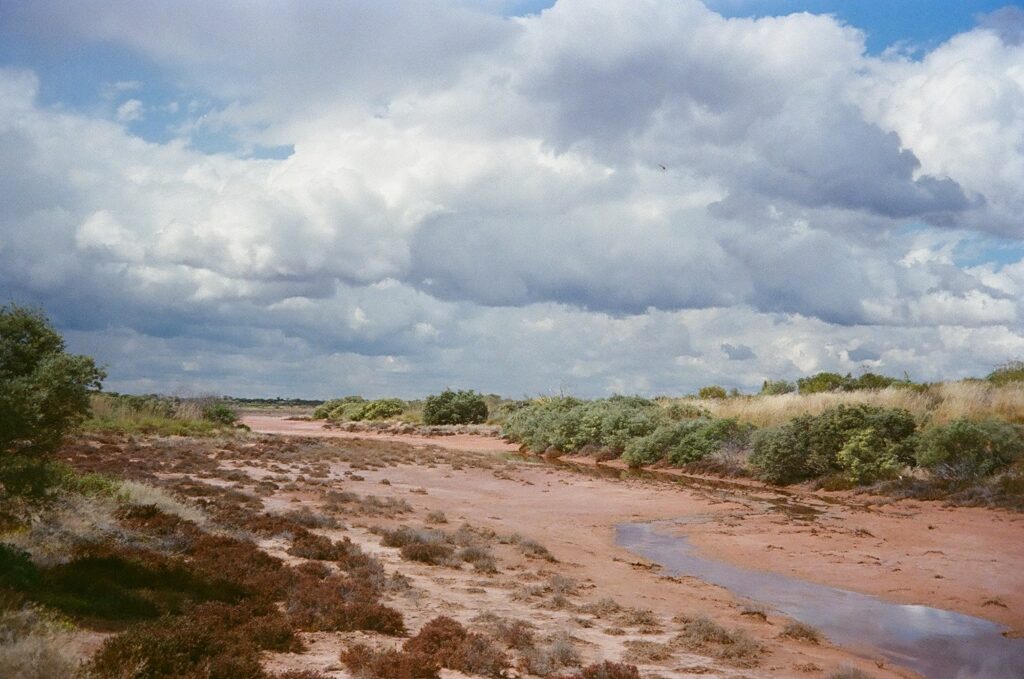
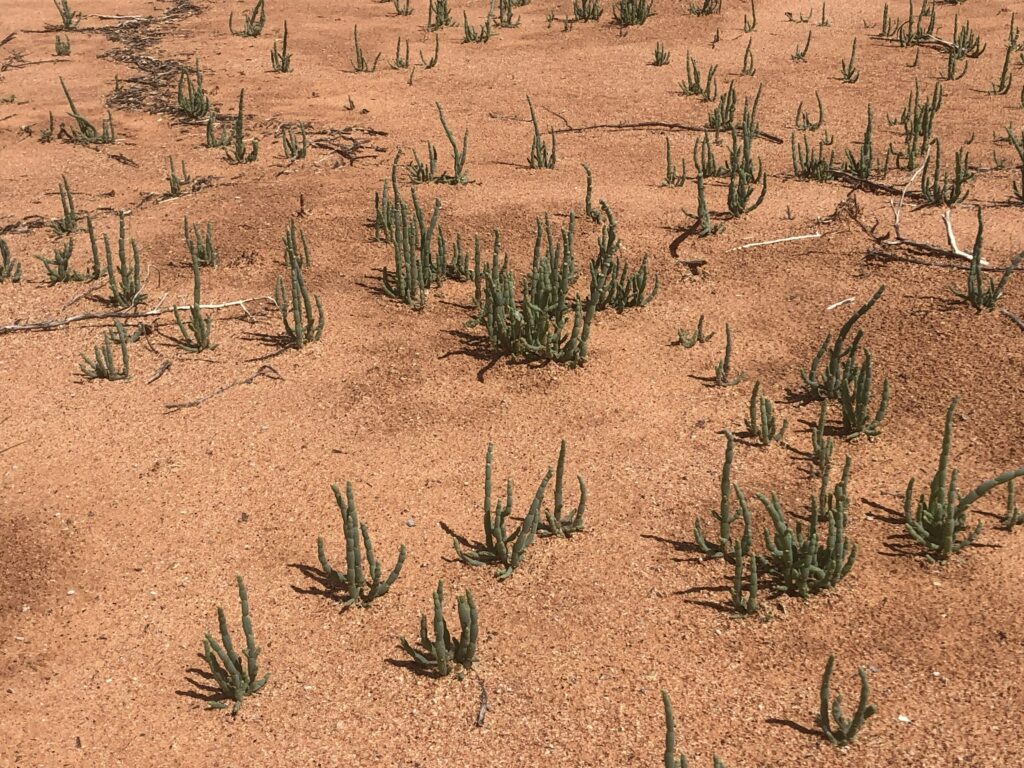
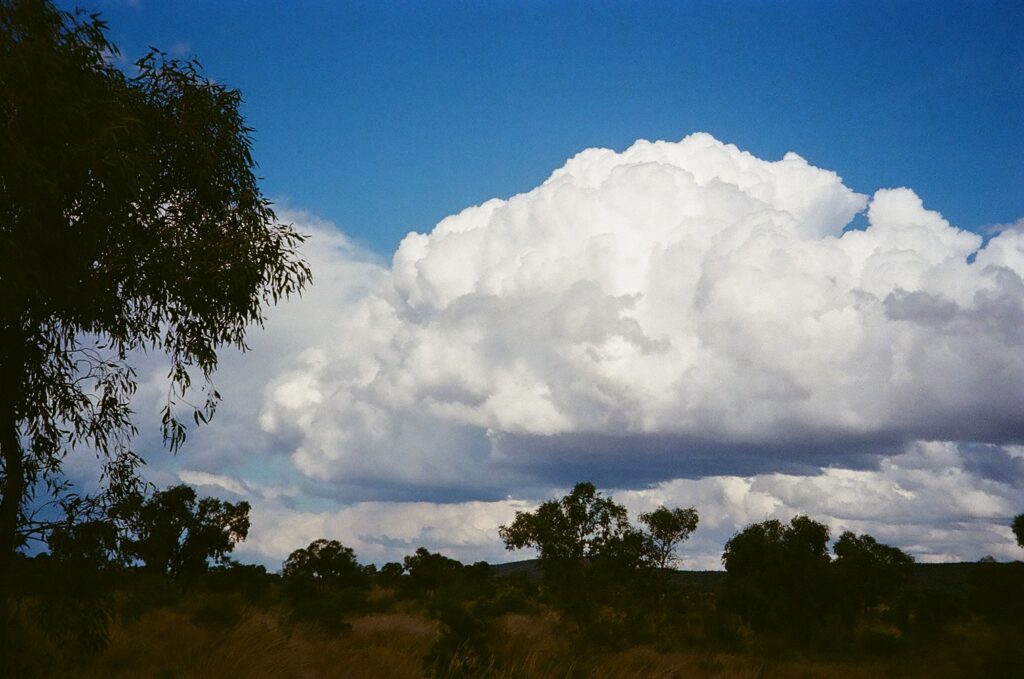
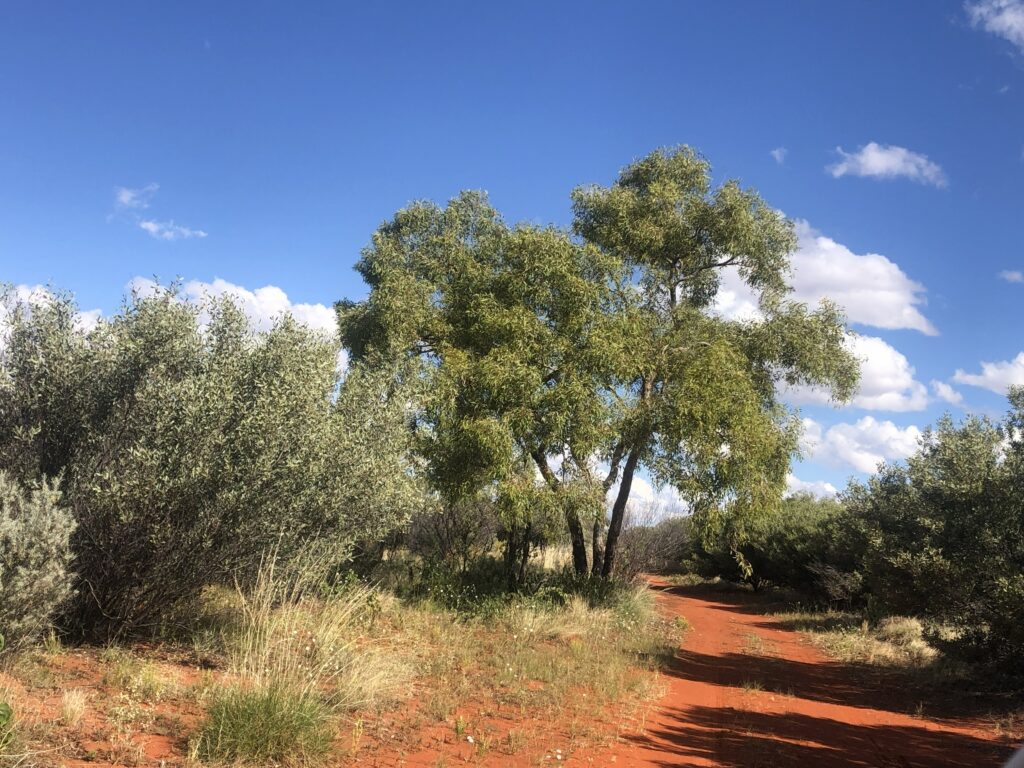
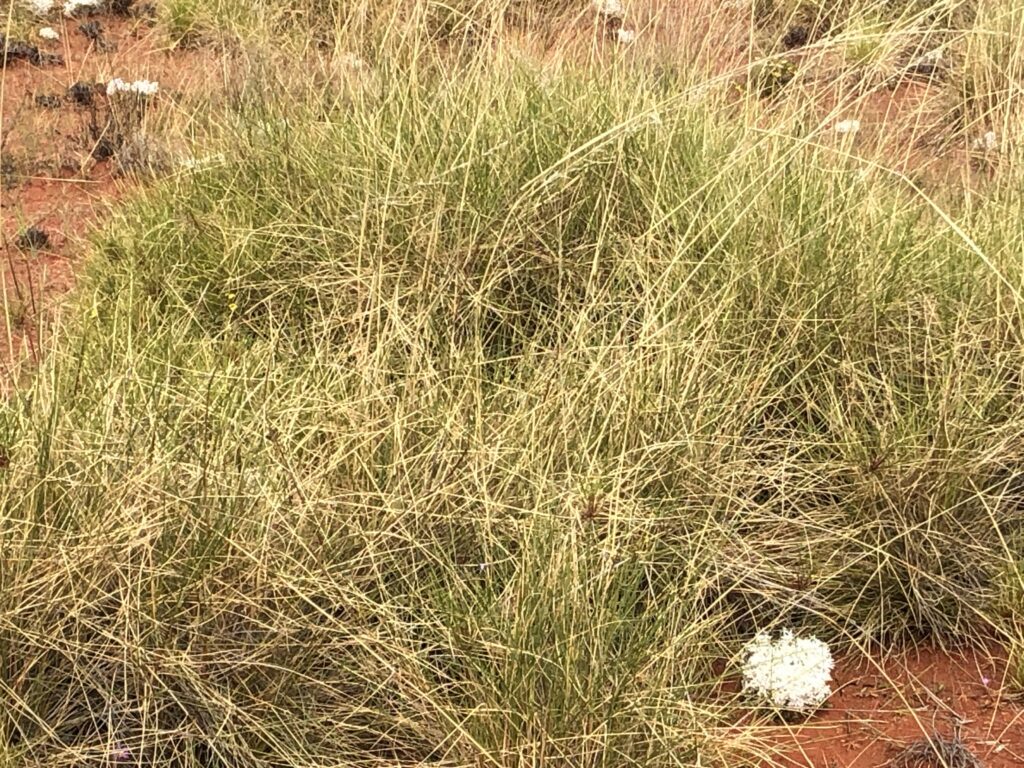
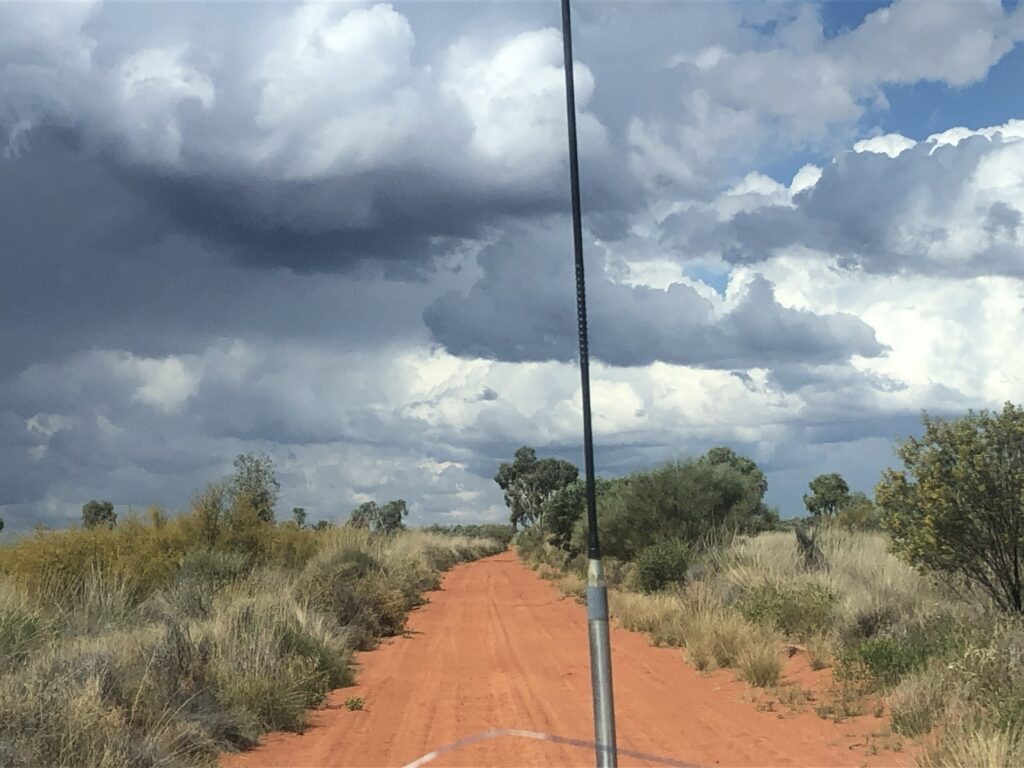
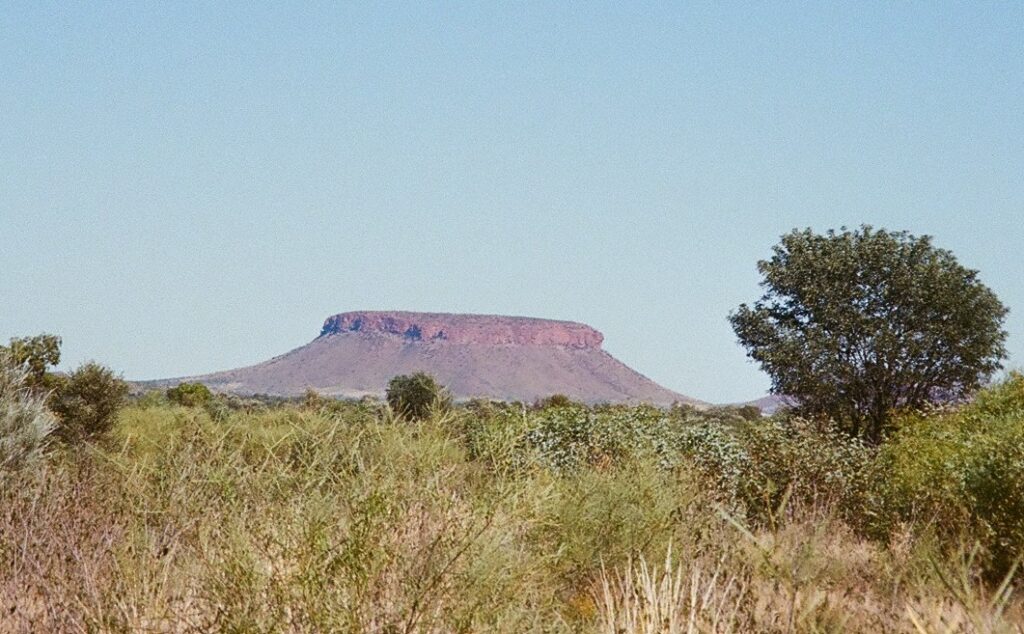
The furthest of the drives is out to Mt Gurner on the western side.
From the Newhaven Waler Project history page: “Gurner station was amalgamated with Newhaven station after 1981, including the separate horse plant. It is from the Gurner horses, some of which had come from Billiluna station, that the coloured walers are thought to come from.”
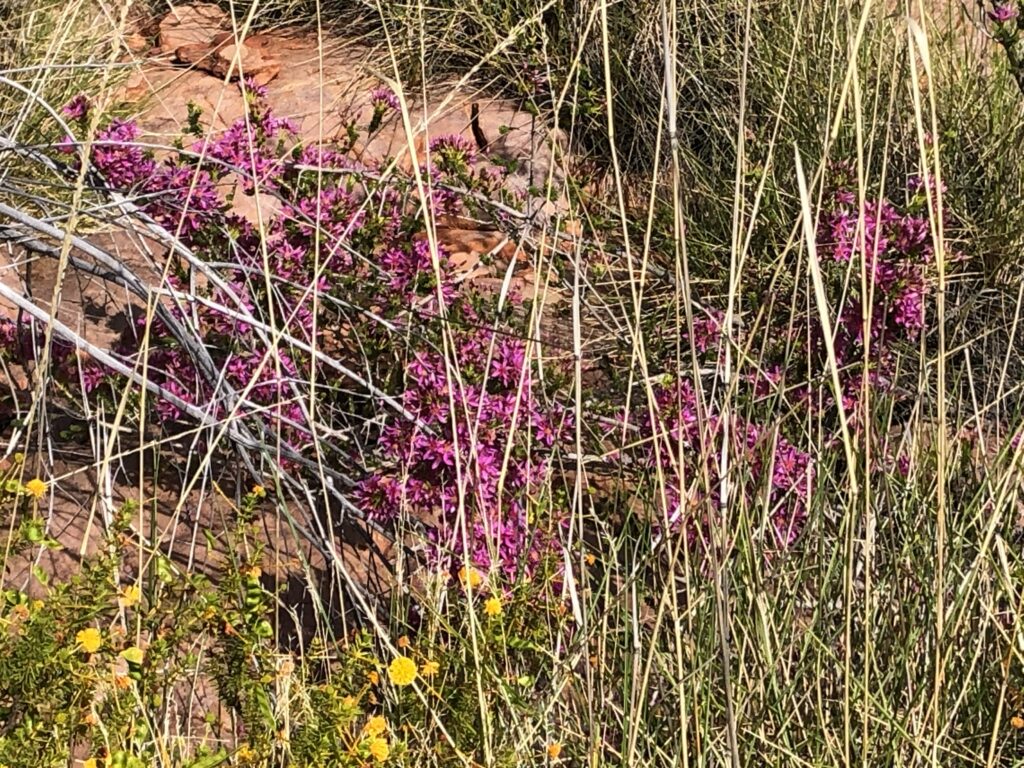
Did I mention the flowers? Days of stopping at the sight of a different flower, a new colour and form. Climbing out of the ute to photograph them and seeing more new ones while doing that. Wow. Just wow. A new word we had learned at the Olive Pink Botanic Gardens in Alice Springs: Botanising. And here we were doing just that. The birds seem to be the main attraction for visitors to Newhaven, but I reckon the flowers and different vegetation forms are right up there for me.
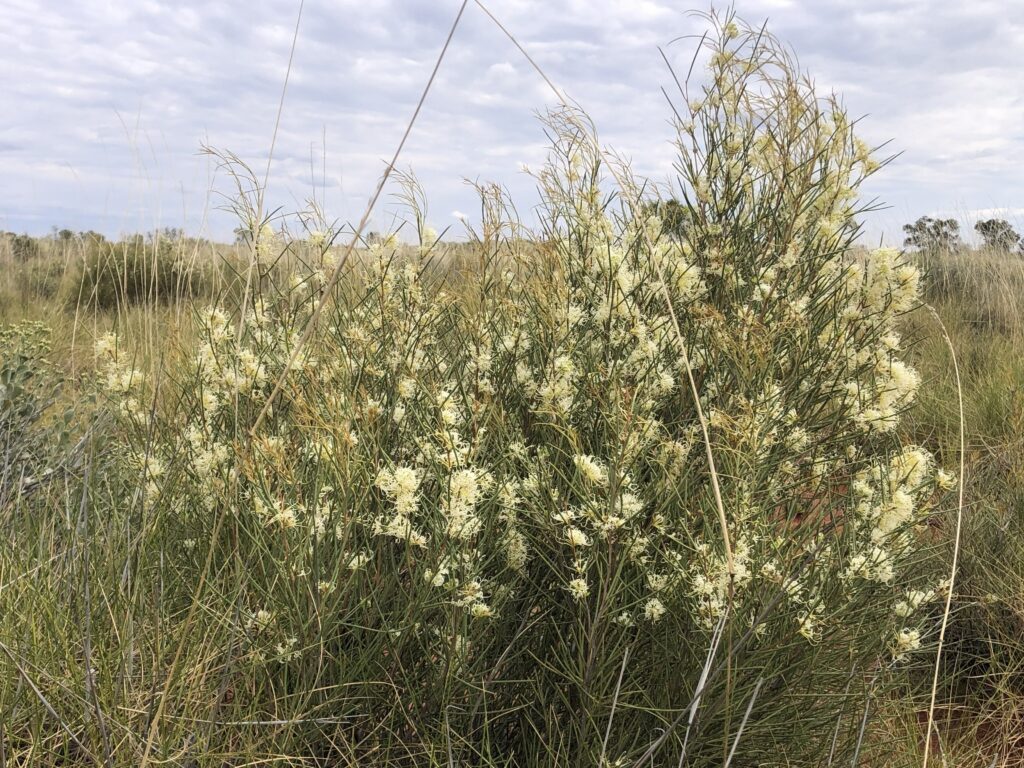
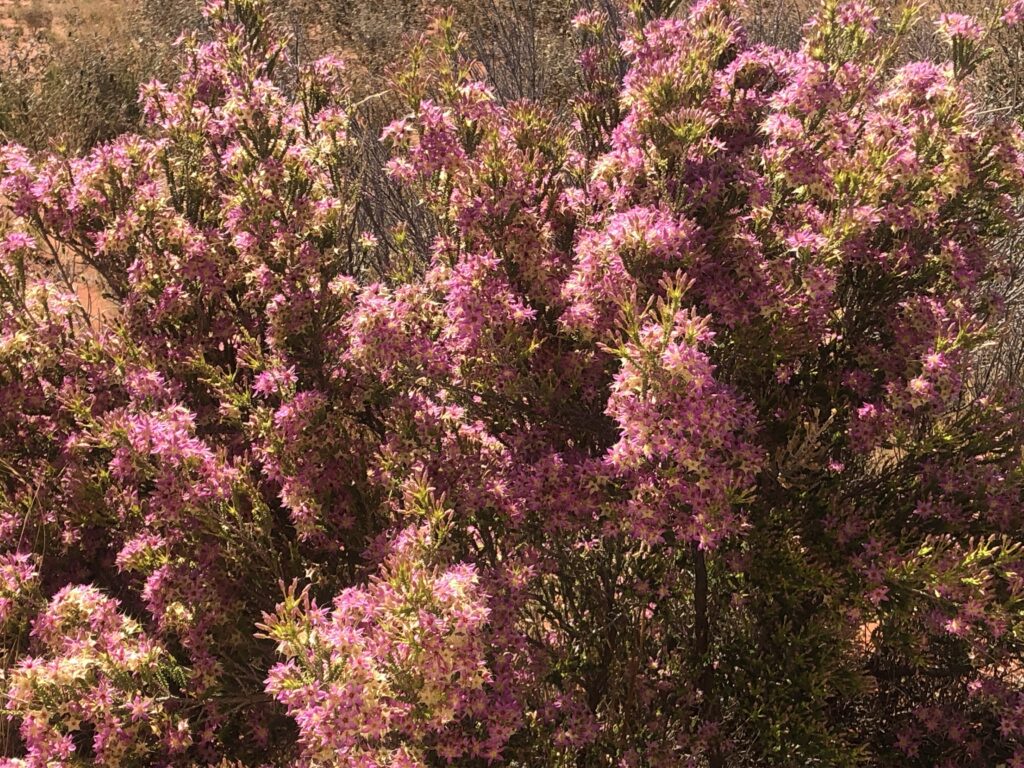
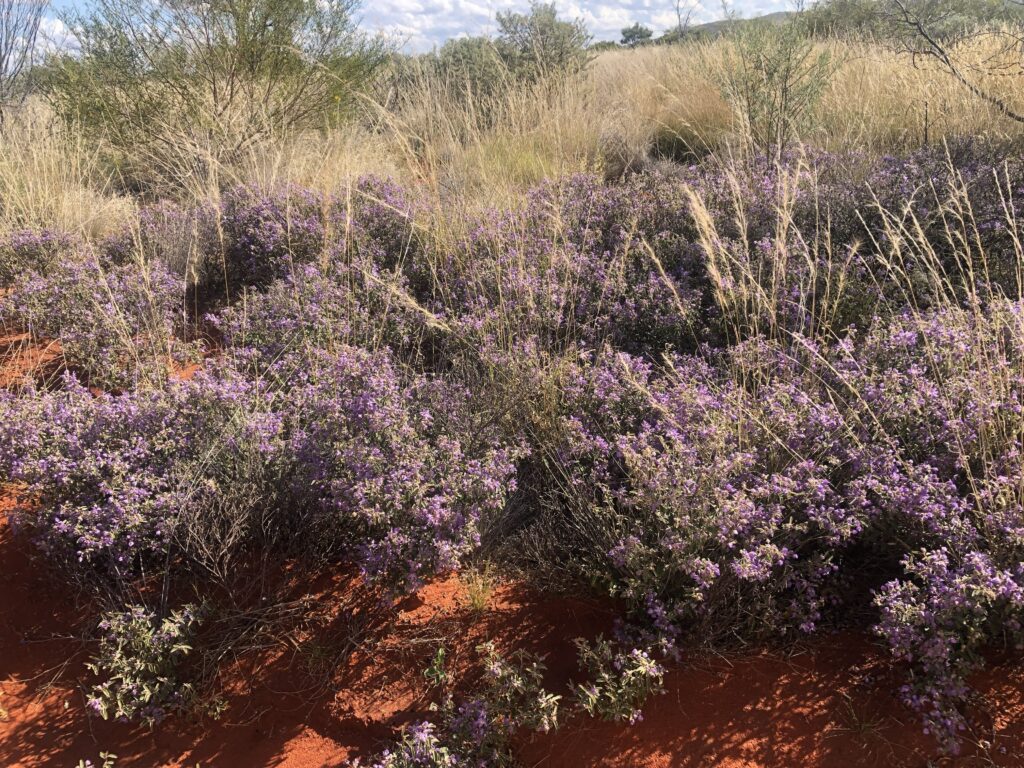
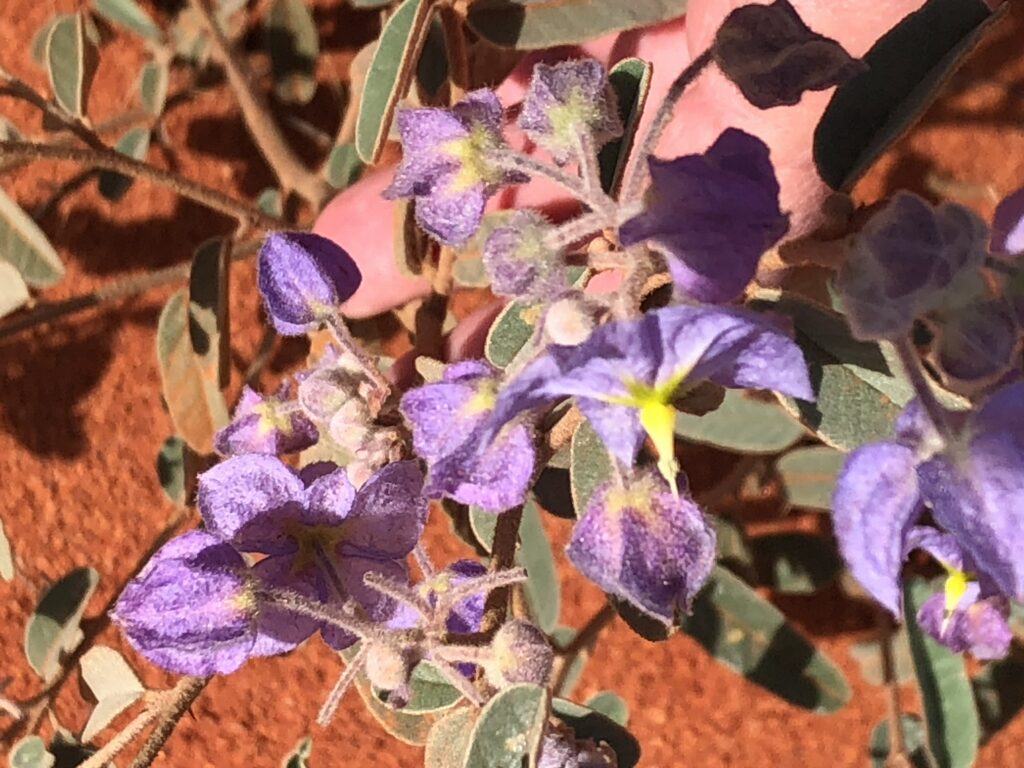
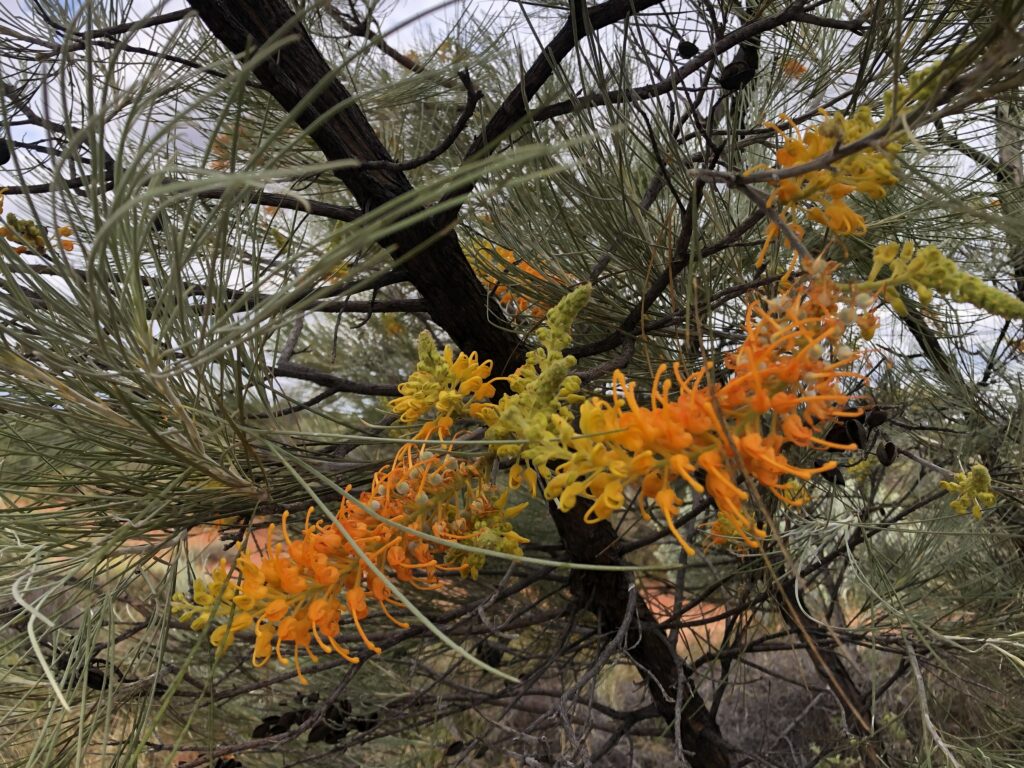
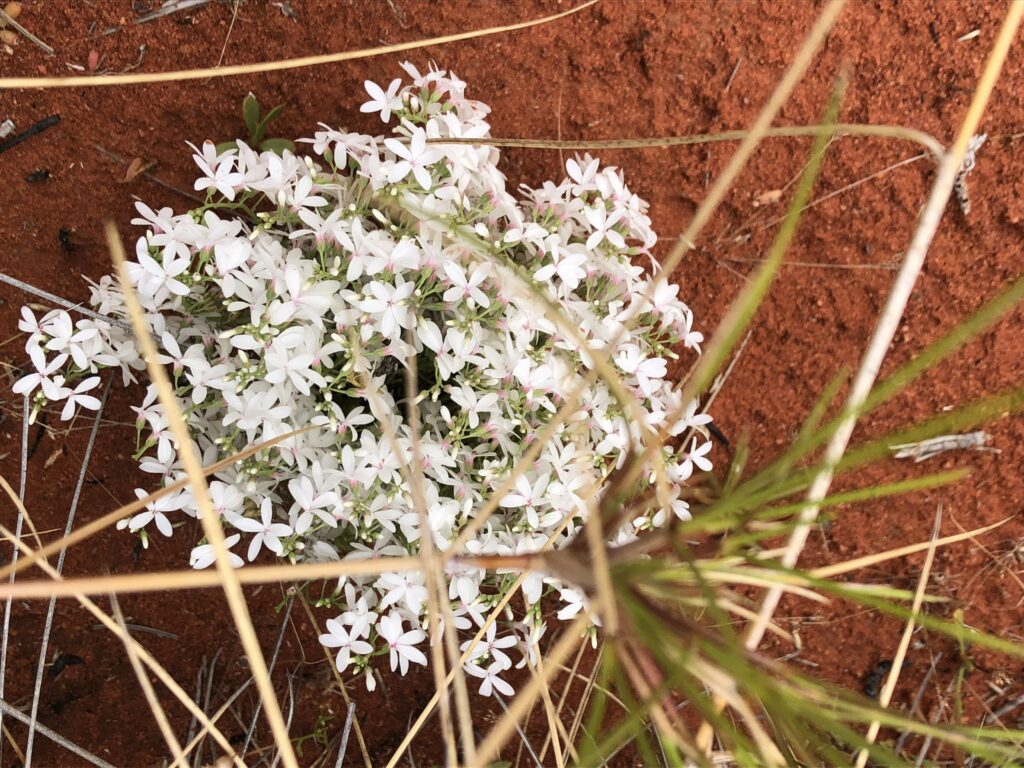
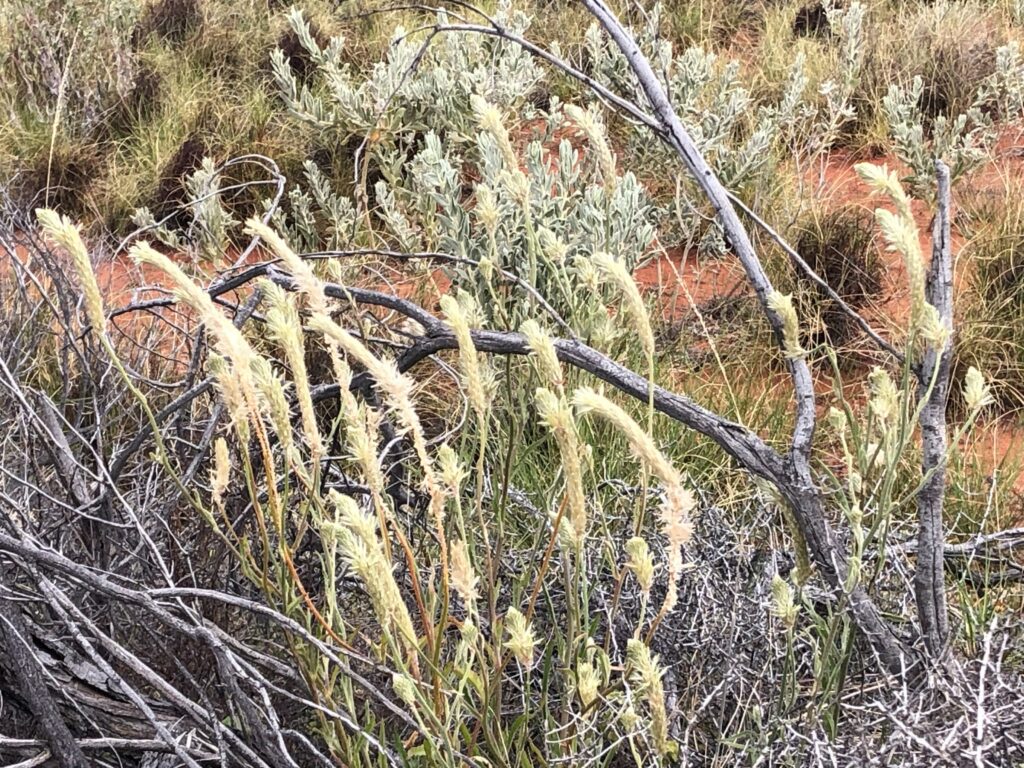
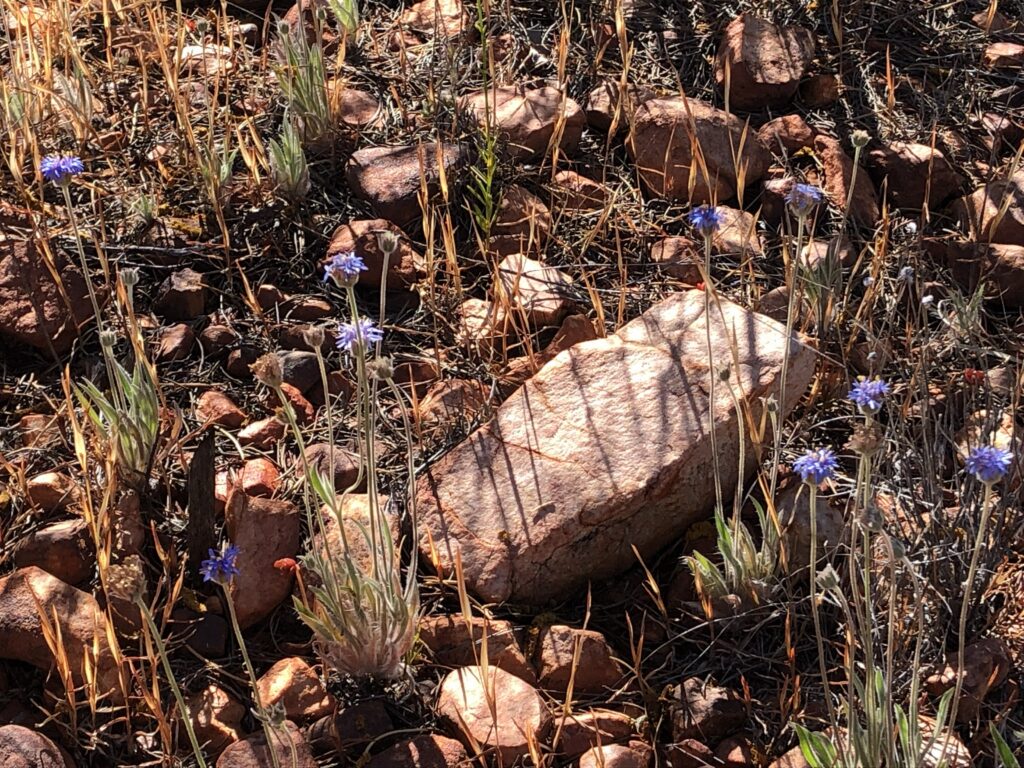
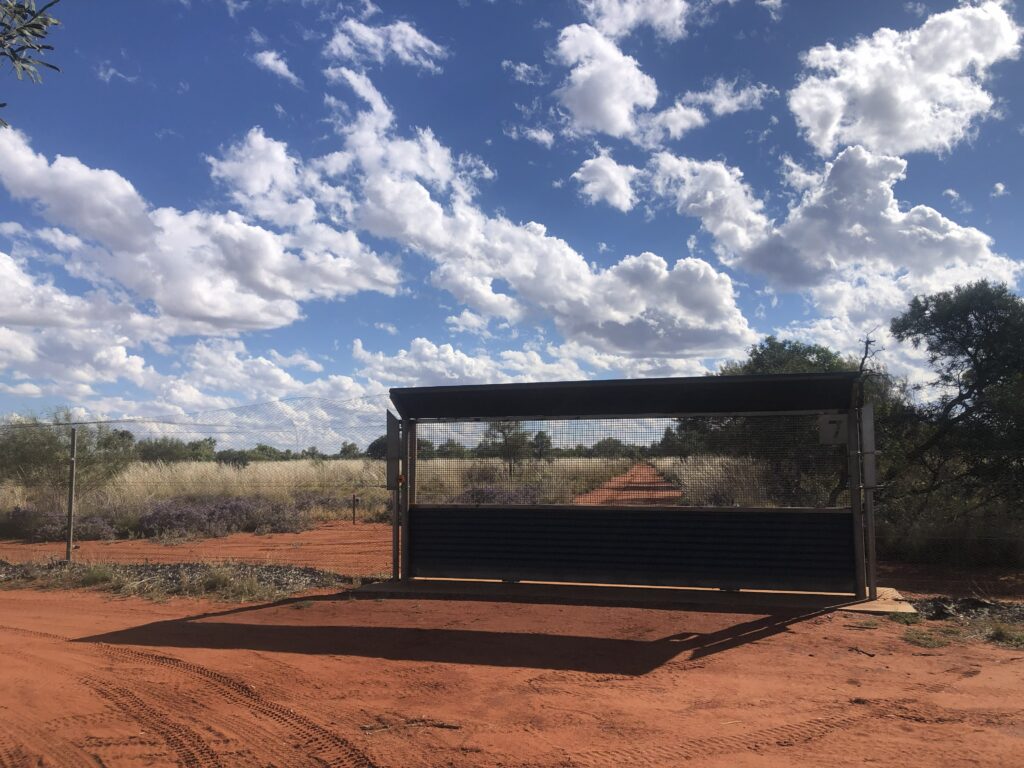
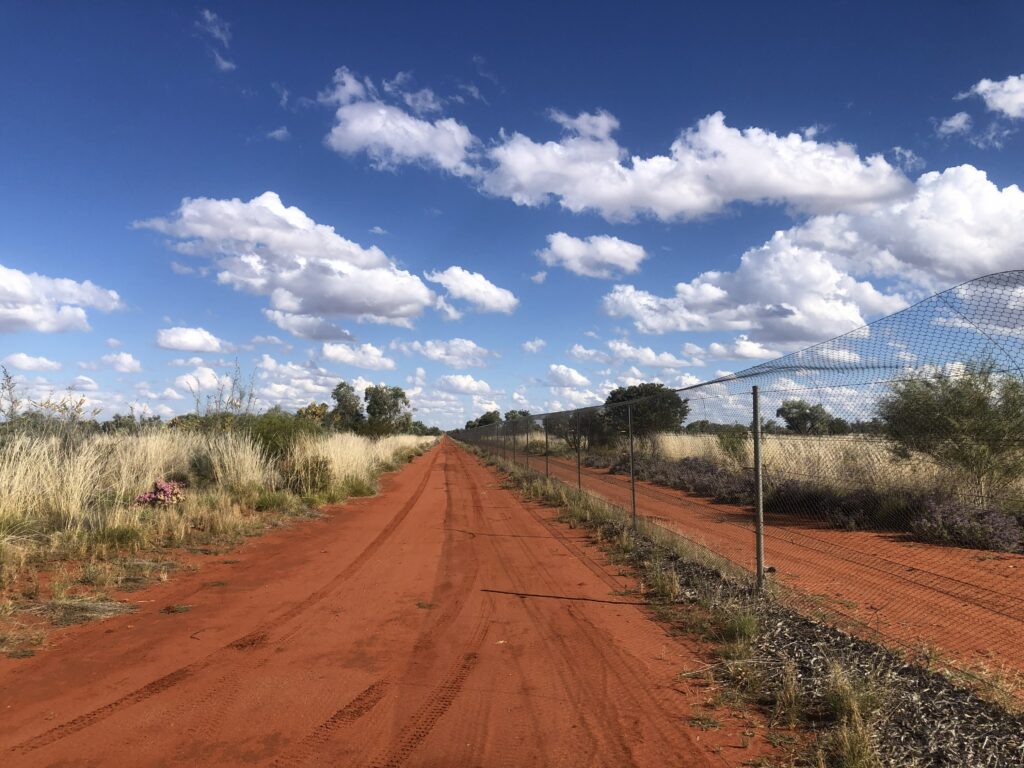
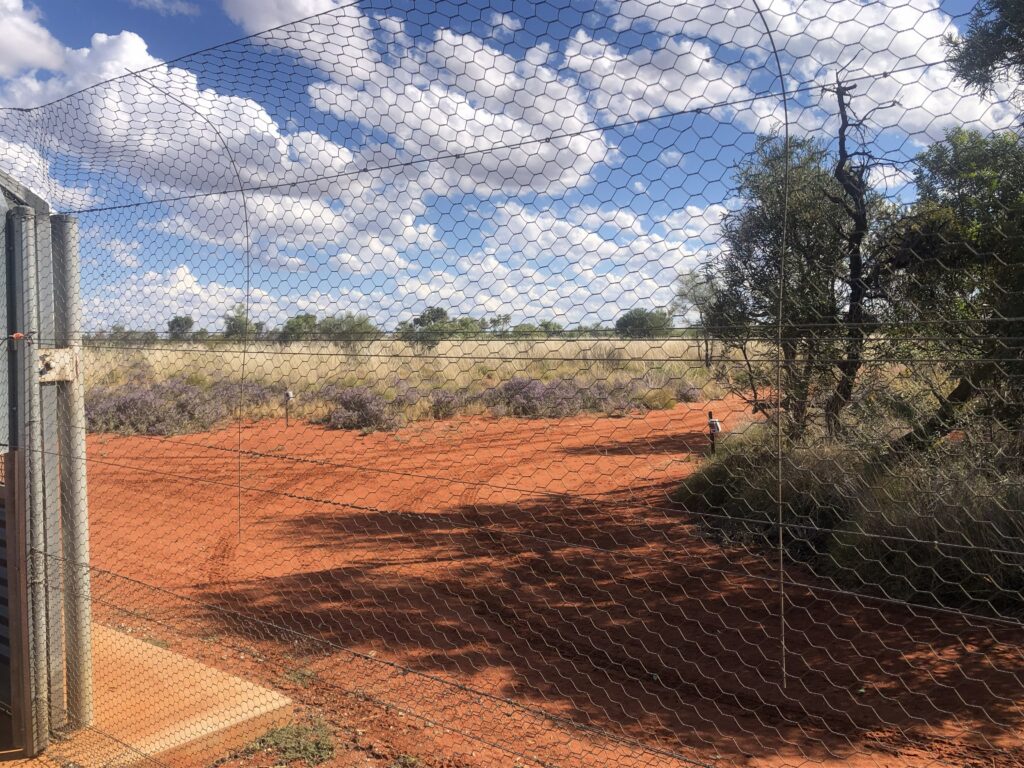
A major project at Newhaven is the reintroduction of mammals into a 9,450 hectare fenced area to exclude feral predators such as feral cats and foxes. I had heard about this from my local fencing contractor who knew about my Newhaven horses so when his wire rep told him about their massive contract to supply materials he gave me a call to share the news.
Since the construction of this seriously impressive fence in 2018 mammals such as Mala and Golden Bandicoot along with locally extinct species such as the Greater Bilby have been successfully reintroduced and are intensively monitored. Inspecting the fence regularly and closely to prevent breaches is a big task for the volunteers and staff (including an indigenous ranger group), along with the many research and survey activities undertaken, plus essential weed control and fire management.
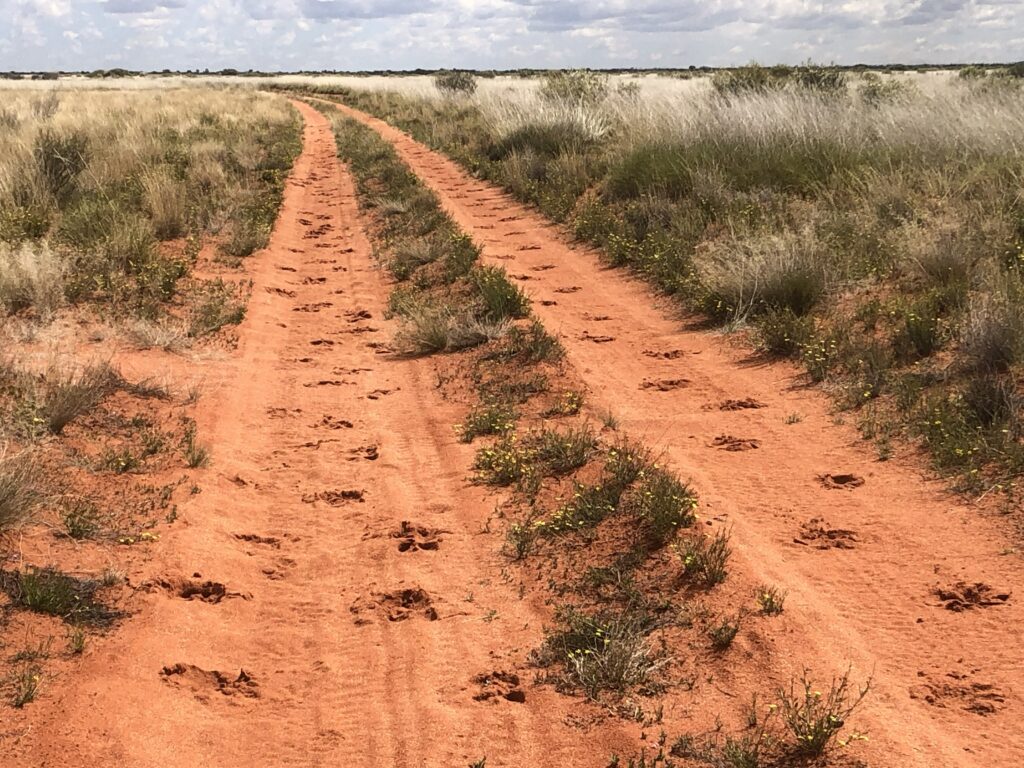
Large herds of wild camels are still a major problem, destroying vegetation and competing for food and water as well as posing a real risk to the fence. Camels were apparently studied there decades ago. Regular culls in conjunction with neighbouring stations seems to result in most of the camel tracks we saw (everywhere!) being those of young camels. We saw vegetation damage but did not see camels, so much feed on hand kept them out of our sight during the day.
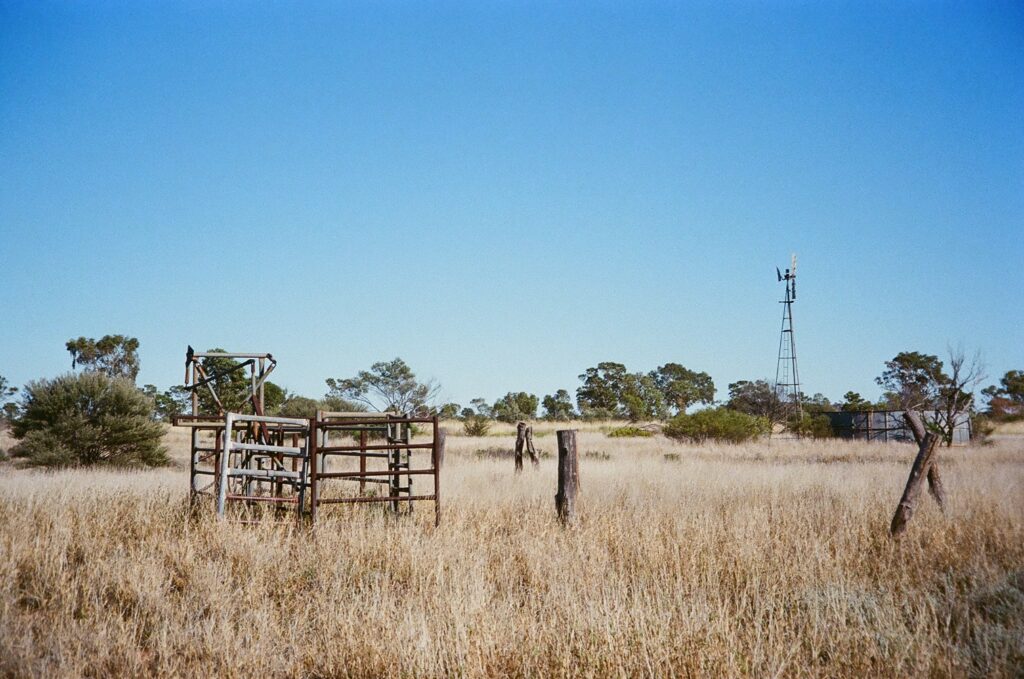
Buffel grass is a significant weed problem especially around the areas formerly used for stock holding and loading yards (now in total disrepair) and the spinifex is also obviously on the march, with some plants standing taller than I and encroaching into the road corridors. Indeed, it was shocking to see the spread of the choking rampant Buffel grass in and around Alice Springs and the surrounding ranges. A real fire hazard and threat to native vegetation and waterways, originally bought in by Afghan cameleers in the 1870s then sown by the Department of Agriculture as feed and erosion control in arid areas back in the 1920s.
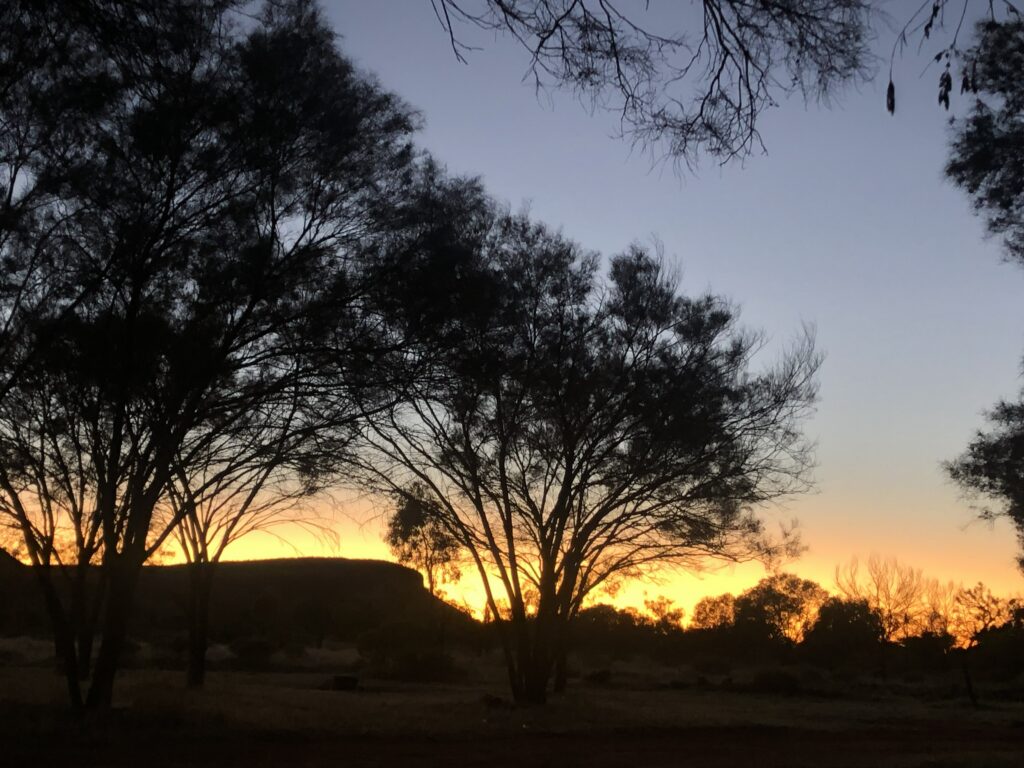
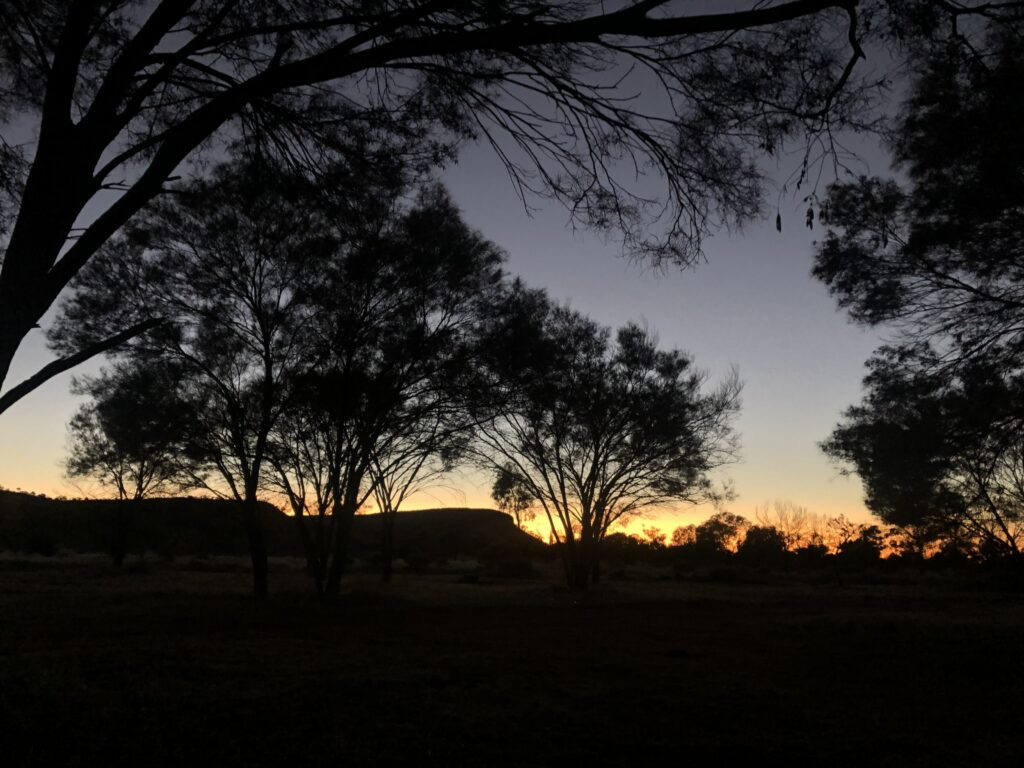
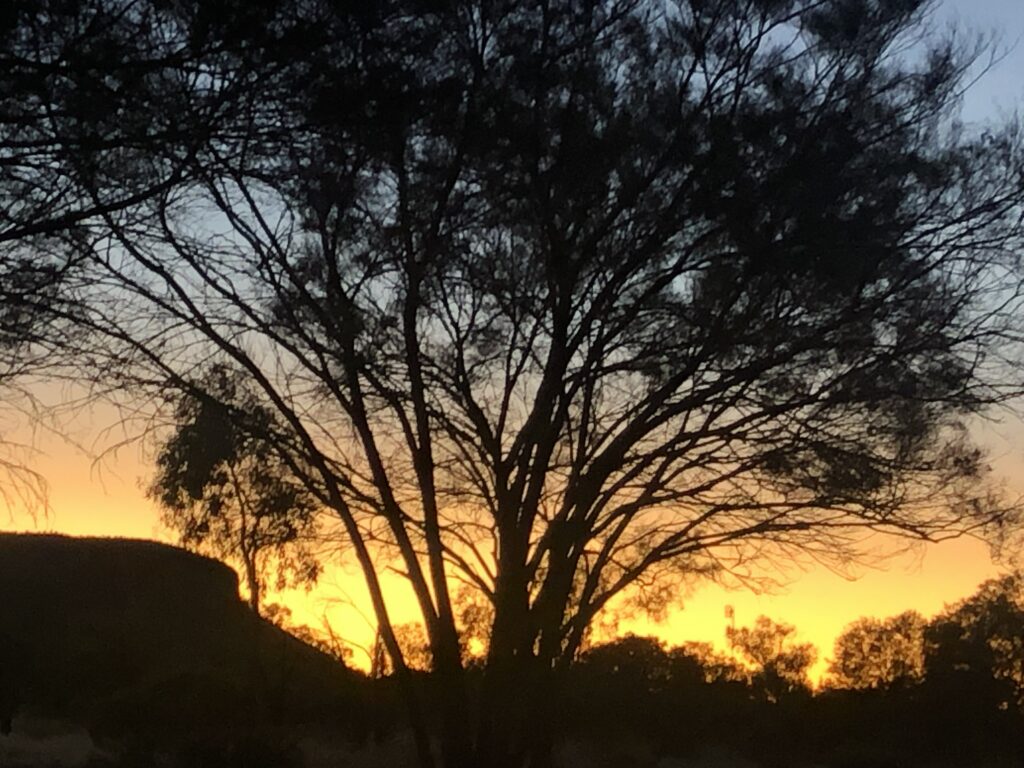
Sunrise was a show stopper too. Did not manage sunset photos as too busy settling in for a cosy night around the campfire reliving the multitude of experiences of the day, it was truly full on trying to experience as much of this spectacular place as possible and to digest what we were seeing. I will be back for sure, sunset photos are on the list…
By the time we left, the Tanami Road was on the cusp of being opened to light vehicles only so we joined a convoy of two Newhaven vehicles and made our way reluctantly back out to Tilmouth Well and onwards to our next destination of Arltunga via The Garden road. Both the Newhaven access road and the Tanami Road detour were heavily impacted by large bodies of standing water. The videos may provide a taste of that experience!
As I discovered, it was hard to be at Newhaven knowing the fate of so many wonderful old-fashioned horses and seeing the amazing and varied environment which has been replaced by a much narrower domestic experience for those rescued.
I know that any of us with Newhaven horses are so grateful to have them, and for me, visiting this place has provided a whole new dimension. No wonder they are so sensible and versatile and kind and wise, everything in that landscape is simply wonderous. And yes, I know I was seeing it after good rains and seasons, which naturally is not always the case for these remote arid zones.
You had to be there, most definitely go if you can, just the best adventure instigated by my Newhaven Walers all those years ago. Of course I told them all about it on my return. They listened politely, as always.
