Those Were the Days

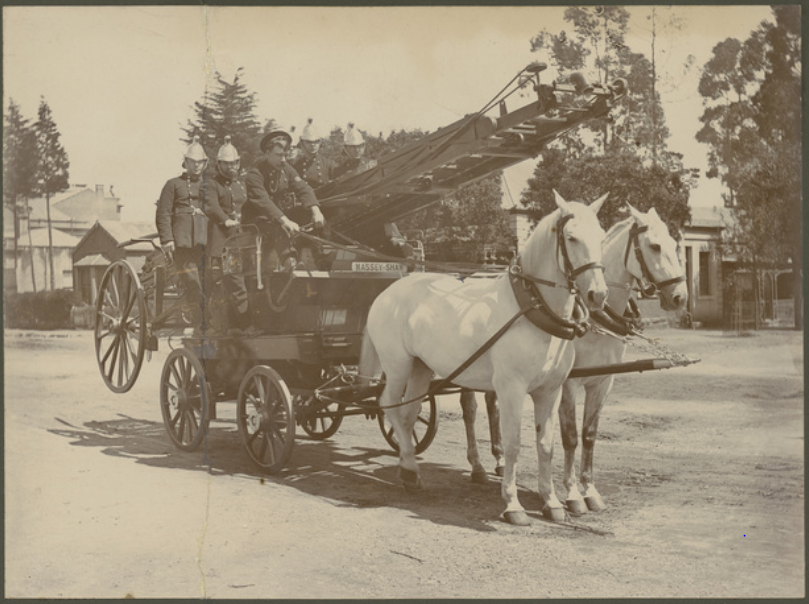
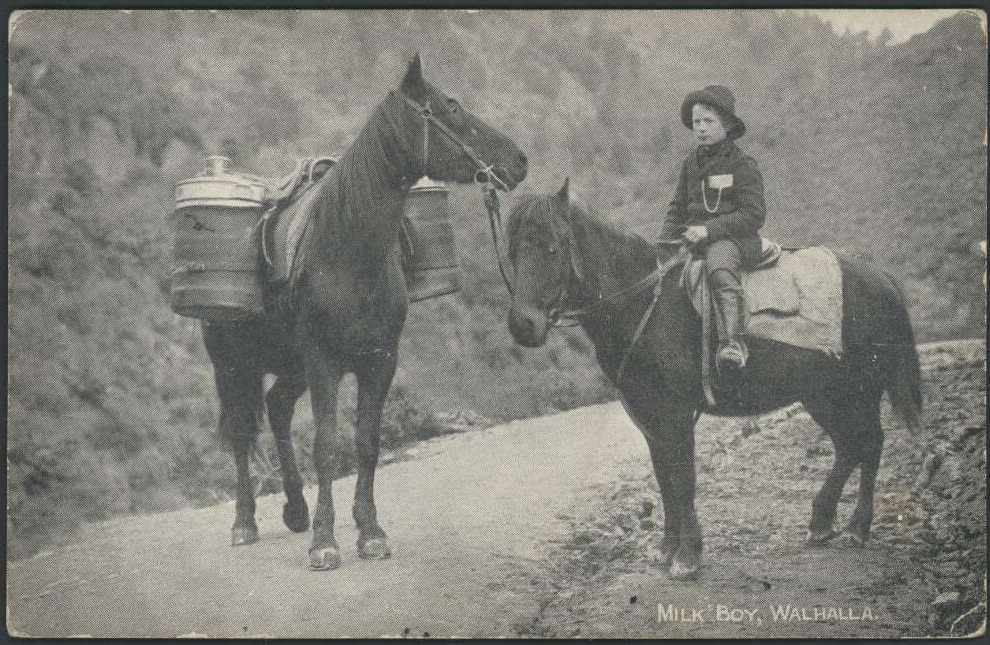
Horses were essential for everyday life, serving in a multitude of roles, with no equivalent today. They had to be safe, dependable, strong, and easy to keep.

Horses were essential for everyday life, serving in a multitude of roles, with no equivalent today. They had to be safe, dependable, strong, and easy to keep.
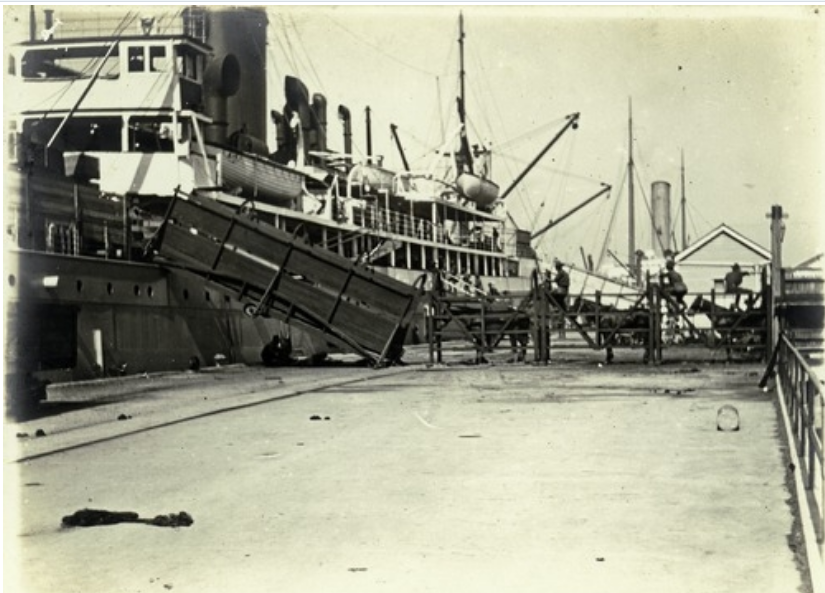
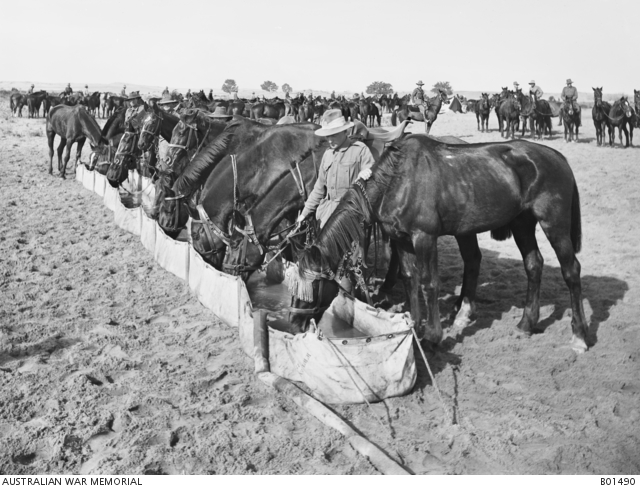
Ships were requisitioned by the Navy for war transport of horses and troops. Horse export was part of our economy – most ship crews and horsemen were old hands at the game.
Walers are rare and old-fashioned horses who were developed at a time now long gone. Using horse names from when horses were key may help to create ongoing links to our history.
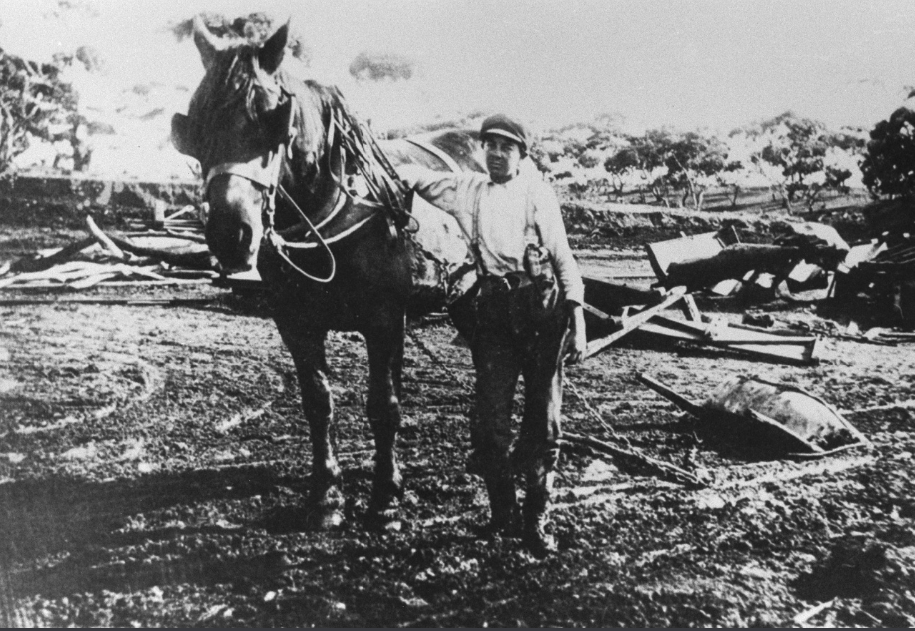
Scoops were a bit of horse drawn equipment used to scoop up earth, sand, rocks, gravel, mud or snow. These days a bulldozer pushes it out of the way…
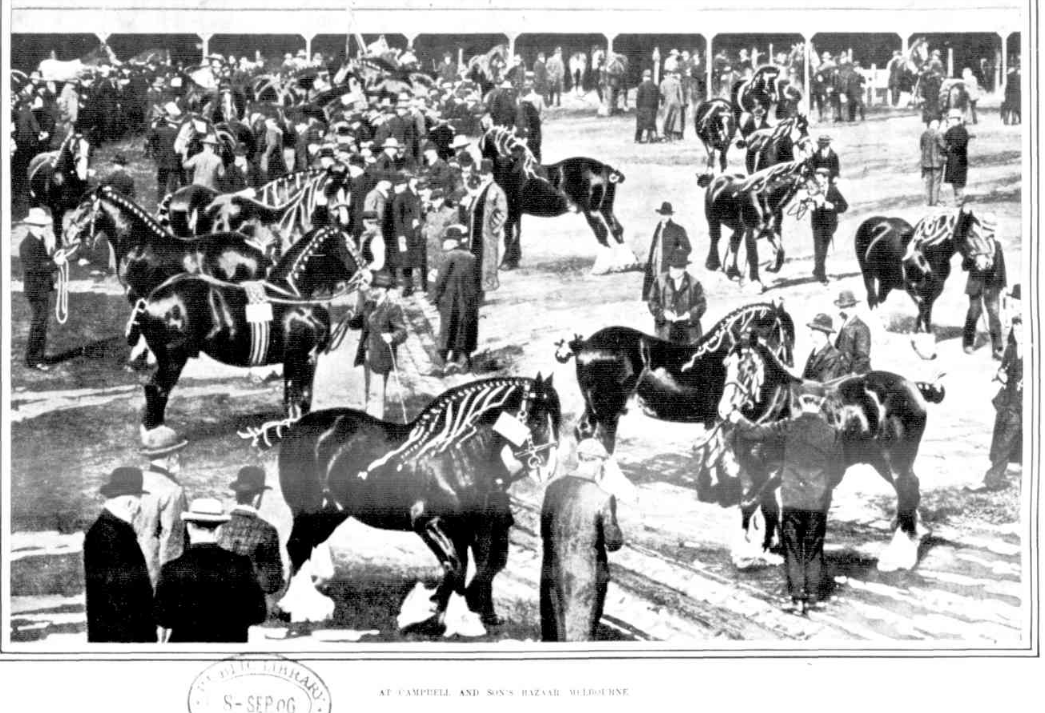
Horse bazaars were once the place to be seen. They did a multitude of horse services, primarily sales. Some held a weekly sale, some monthly.
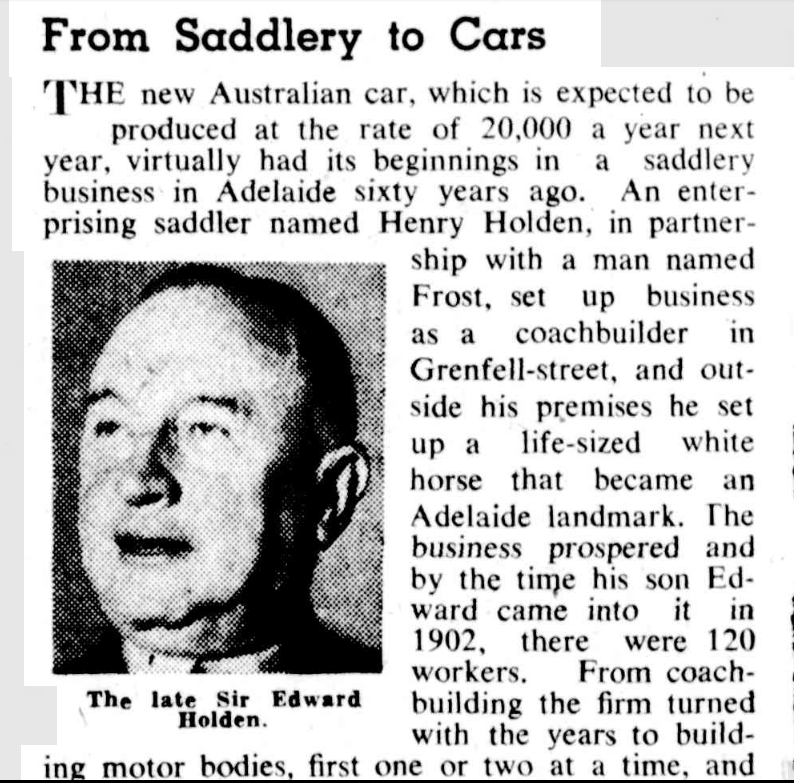
Australia had an extremely high standard of saddlery and harness, once, these places were tremendous employers too.
Ambulances, famous battles, bugles and more: basic WW1 facts for children to help answer some of those difficult ANZAC Day questions.
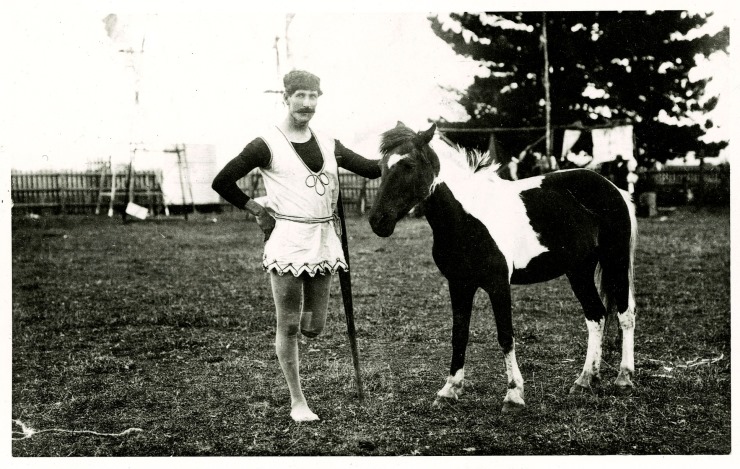
Ponies were very popular, particularly for racing, which was run in height classes. There was a huge market for ponies for racing overseas too, a significant trade for us.
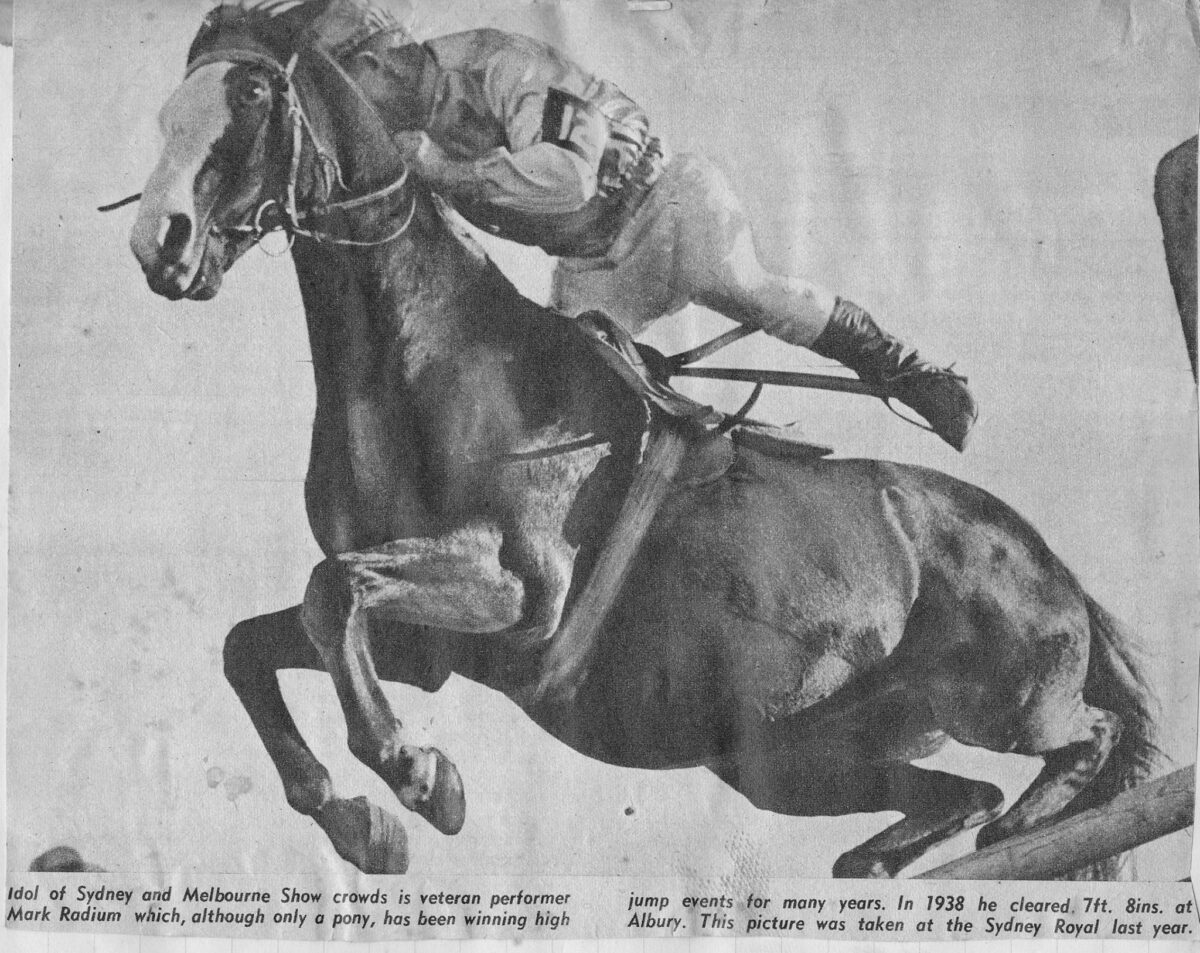
Small, ugly, mean – yet the star of the times! Bigger than any filmstar – when Mark Radium competed at shows he was so popular that sideshow alley closed!
He’s not descended from the Radium made popular by the ASH, but from a Radium far better known in those times.
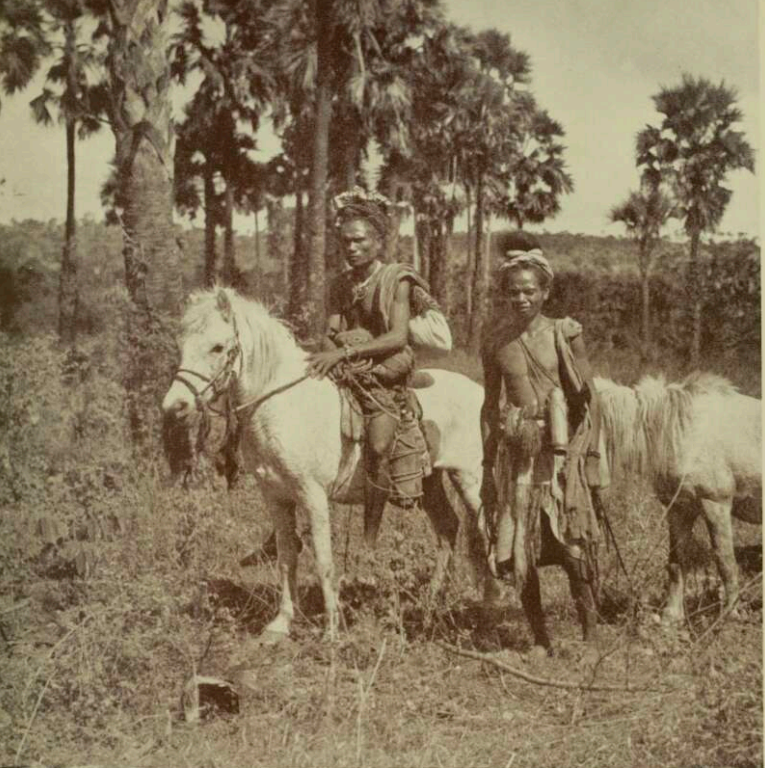
Tracing Timor Pony history in Australia is a fascinating exercise, reading through old newspaper articles paints a real picture of how plentiful and well regarded these ponies were.